Apple Cider Vinegar Before Bed for Weight Loss: Does It Actually Work?
Quick Answer: Should You Take Apple Cider Vinegar Before Bed for Weight Loss?
Drinking apple cider vinegar before bed offers no special overnight fat-burning advantage over taking it earlier in the day. Worse, lying down soon after swallowing acid can trigger reflux and expose tooth enamel to acid overnight. If you want the acetic acid without the risk, a diluted daytime dose or a capsule works better.
- No overnight edge: no study shows bedtime dosing beats any other time of day.
- Reflux risk: acid plus reclining is a classic recipe for heartburn.
- Enamel risk: vinegar near pH 3 softens teeth; a capsule or gummy avoids contact.
The idea that apple cider vinegar before bed melts fat while you sleep is one of the stickiest myths in the weight-loss corner of the internet, and it is easy to see the appeal. Do nothing, sleep eight hours, wake up lighter. If it sounds too good to be true, that is because the "overnight" part is doing a lot of work it cannot actually support. There is no metabolic switch that vinegar flips at 11pm that it would not flip at noon.
That does not make vinegar useless. Acetic acid, the active compound in vinegar, has genuine, modestly supported effects on blood sugar and appetite. The problem with the bedtime ritual is not the ingredient — it is the timing and the delivery. This article separates the two: what the evidence really says about drinking apple cider vinegar before bed, why the position you are in when you swallow it matters, and how to capture the upside of acetic acid without sanding down your teeth or waking up with heartburn.
Does apple cider vinegar before bed do anything special?
Short version: no. When researchers have measured a benefit from vinegar, they measured it around meals, not around sleep. The mechanism people are chasing — a smaller spike in blood sugar and insulin after eating, plus a fuller feeling from slower stomach emptying — only happens when the acetic acid is in your gut at the same time as food. A dose taken hours after your last meal, right before you lie down, has no food to act on. You get the acid load and skip the effect.
There is a second reason the "overnight fat burning" story does not hold up. Your body does not burn meaningful extra fat because a teaspoon of acid arrived at bedtime. The scale can read lower in the morning, but that is mostly water and the natural overnight fast, not vinegar doing something magical while you were asleep. Attributing normal morning weight fluctuation to a bedtime shot is a classic case of confusing correlation with cause. If you want the honest timeline for real, measurable change, we lay it out in our guide to how long apple cider vinegar takes to work — and it is measured in weeks of consistency, not hours of sleep.
The myth of overnight fat burning
Where did the bedtime claim even come from? Mostly from a mix of half-remembered study details and influencer copy that needed a hook. A famous twelve-week Japanese trial found that a daily dose of vinegar produced small reductions in body weight and waist circumference versus a placebo drink. Nowhere in that design did the timing depend on bedtime. Somewhere along the way, "take it daily" mutated into "take it at night for extra results," and the mutation stuck because it made a better headline.
It is worth being blunt about the size of the real effect, too. In these trials, the weight difference over three months was in the range of a few pounds, not a transformation, and it required the vinegar to be paired with an ordinary diet. Vinegar is a nudge on top of the fundamentals — a modest calorie deficit, protein, movement, sleep — not a substitute for them. Any product or ritual that promises the fundamentals are optional is selling the fantasy, not the physiology.
So if bedtime confers no special benefit and the whole-day effect is modest, the sensible question becomes: what is the least risky, most repeatable way to take acetic acid at all? Because there is a version of this ritual that actively works against you.

Why lying down after acid is the real problem: reflux and enamel
Here is the part the "sleep and slim" content never mentions. Two of the most reliable ways to hurt yourself with vinegar are drinking it undiluted and lying down soon after — and the bedtime ritual bundles both into one habit.
Reflux. When you stand or sit upright, gravity helps keep stomach contents where they belong. Lie down within a few minutes of swallowing an acidic liquid and you remove that help, making it far easier for acid to travel back up the oesophagus. Raw apple cider vinegar sits around pH 2.8 to 3, which is genuinely acidic. If you already experience heartburn or have any reflux tendency, an evening vinegar shot before bed is close to a guaranteed trigger. Even people without a diagnosis can find that nighttime acid plus a horizontal position produces the burning, sour-throat sensation they were trying to avoid.
Enamel. Tooth enamel begins to soften with repeated acid exposure, and saliva flow — your mouth's natural buffer — drops while you sleep. That means acid lingering on your teeth overnight has less to wash it away and neutralise it than the same acid would during the day. A nightly undiluted shot is one of the more efficient routes to enamel erosion precisely because of when it happens. Brushing straight afterwards makes it worse, because you are scrubbing softened enamel. We go deeper into these trade-offs, including who should be most cautious, in our full breakdown of apple cider vinegar side effects and safety.
Put reflux and enamel together and the bedtime ritual starts to look like the worst possible combination: no unique benefit, and two amplified risks. The timing that the myth insists is best is, in reality, the timing that is worst.
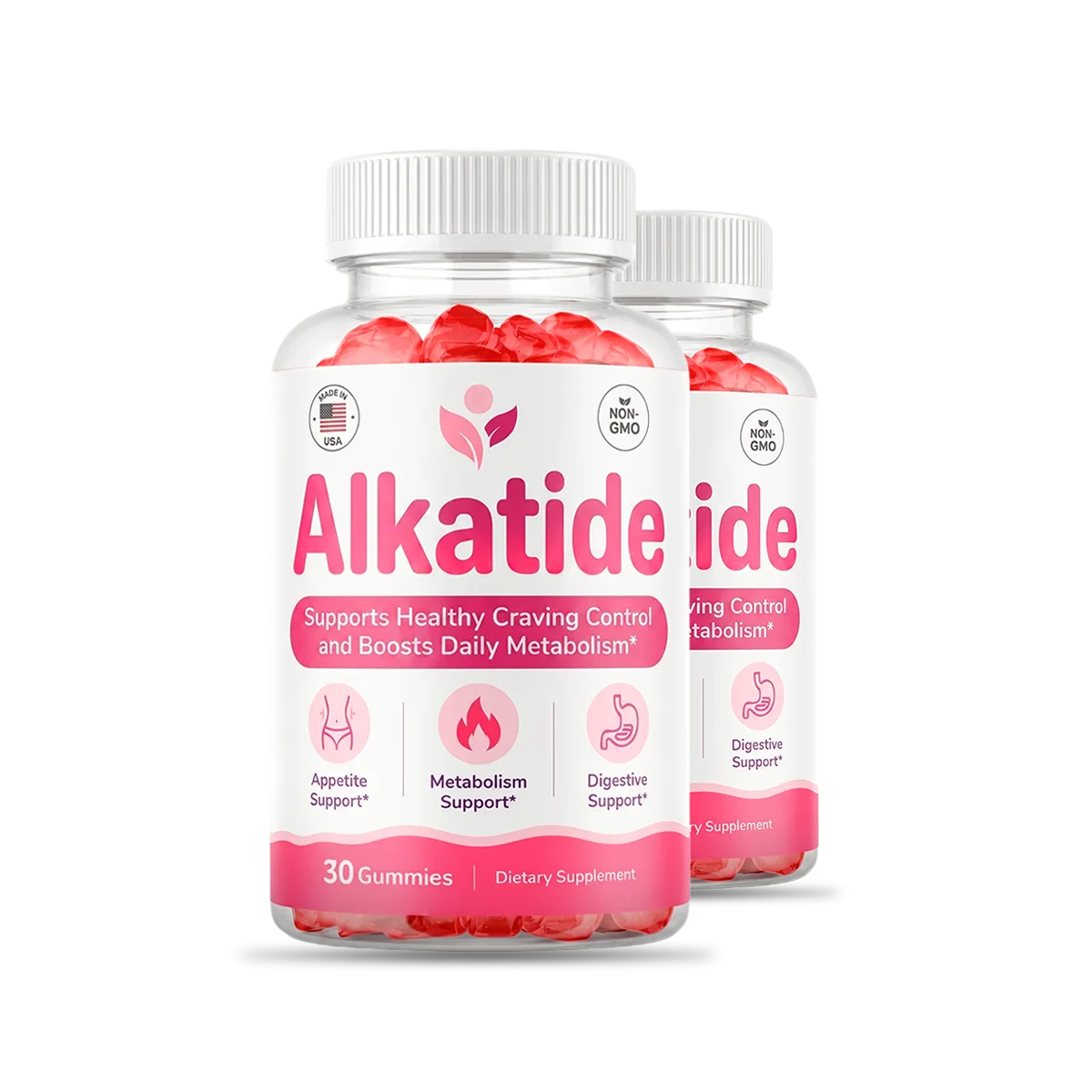
Want the acetic acid without the acid burn?
A pre-portioned apple-cider-vinegar gummy skips the sour shot entirely — no measuring, no acid pooling on your teeth, no lying-down-after-acid gamble. If that is the format you want, the current AlkaTide bundles, shipping terms and refund window live on the official store.
See AlkaTide Bundles & PricingIf you still want an evening dose, do it this way
Maybe your schedule only leaves room for vinegar in the evening, or you simply prefer it then. You can reduce the risk considerably, even if you cannot erase it. First, always dilute: one to two tablespoons into a full 8 oz (240 ml) glass of water, never neat. Second, take it with your evening meal rather than after it, so there is food in the stomach to buffer the acid and something for the acetic acid to actually act on. Third, and this is the one people skip, stay upright for at least thirty to sixty minutes before lying down. That single habit removes the biggest reflux driver.
A few more guardrails. Use a straw to keep acid off the front teeth, rinse your mouth with plain water afterwards, and do not brush for at least half an hour. If you notice heartburn, a raw throat, or sour regurgitation once you lie down, that is your body telling you the timing is wrong for you — move the dose to earlier in the day rather than pushing through. None of this makes bedtime superior; it just makes an evening dose tolerable if that is genuinely the only window you have.
Capsules and gummies: an enamel-friendly way to get acetic acid
The cleanest solution to the whole problem is to stop putting acid on your teeth at all. Capsules and gummies deliver acetic acid in a form that bypasses direct enamel contact — you swallow it, so the sour liquid never sits on your teeth or lingers overnight. For anyone drawn to the bedtime ritual mainly out of convenience, this removes the two big downsides in one move. It also standardises the dose, so you are not eyeballing a spoon at the end of a long day.
There is a fair-play caveat worth stating plainly, because it is where a lot of the category oversells. Many capsules and gummies are made from apple cider vinegar powder, and a label reading "500 mg apple cider vinegar" describes the weight of the powder, not the amount of acetic acid, which is often only a small fraction of that. So the enamel and reflux advantages of a chew or capsule are real, but you only inherit the trial-level benefits if the acetic acid content matches what the studies used. We unpack exactly what survives manufacturing, and how to read the milligram figures, in our piece on whether ACV gummies still contain the mother.
Where does AlkaTide fit? It is an apple-cider-vinegar gummy, and like most of the category its manufacturer has not published a milligram figure for acetic acid — we say that rather than hide it. What a gummy genuinely buys you is a daily dose you will actually keep taking, without the sour hit, and without the enamel and reflux problems that make a bedtime shot a bad idea. For a lot of people, the format they can stick with beats a theoretically larger dose they abandon by week two. If you want to know how much vinegar the research supports in the first place, our apple cider vinegar dosage guide puts the numbers in one place.
Common objections and myths, answered
"But I lost weight taking it at night." Probably true — and probably not because of the timing. If you added a daily vinegar habit and also became more mindful of your eating, the diet change is doing most of the work. Move the same dose to before lunch and you would likely see the same result, minus the reflux risk.
"Vinegar detoxes you overnight." Your liver and kidneys handle detoxification around the clock; there is no meaningful "toxin" that a bedtime shot flushes out. This is marketing language, not physiology.
"Diluting it ruins the effect." It does not. The acetic acid is the active part whether it is in a small glass or a large one; dilution only lowers the acid concentration hitting your teeth and throat. The dose of acetic acid stays the same.
Medical note: this article is general information, not medical advice. Apple cider vinegar can lower blood sugar, slow stomach emptying and worsen reflux, which matters if you have diabetes, GERD or gastroparesis, or take insulin or diuretics. Speak to a qualified healthcare professional before adding it, especially alongside prescription medication.
Frequently asked questions
Should you drink apple cider vinegar before bed?
There is no good reason to. No study shows bedtime dosing beats taking apple cider vinegar earlier in the day, and drinking acid then lying down raises your risk of reflux and overnight enamel contact. If you want the effect on blood sugar and appetite, take a diluted dose before a meal, not before sleep.
Does ACV before bed burn more fat overnight?
No. There is no evidence that taking apple cider vinegar at night burns more fat than taking it at any other time. The modest metabolic effect from acetic acid comes from slowing gastric emptying and blunting the post-meal blood sugar rise, both of which need to happen around food, not while you sleep.
Can apple cider vinegar at night cause acid reflux?
It can make reflux worse. Lying down soon after swallowing an acidic liquid lets stomach contents move back up more easily, and vinegar sits near pH 3. If you already get heartburn, an evening vinegar shot is one of the more reliable ways to trigger it. Staying upright and diluting well reduces, but does not remove, the risk.
Is it safe to take ACV every night?
Small, well-diluted amounts are tolerated by many people, but nightly undiluted vinegar is a known route to enamel erosion and throat irritation, and it can interact with insulin, diuretics and some heart medications. A capsule or gummy avoids direct acid contact with teeth. If you take medication or have reflux, speak to a clinician first.
Scientific references
- NIH NCCIH — Apple cider vinegar
- PubMed — Vinegar intake reduces body weight, body fat mass and serum triglyceride (12-week trial)
- NCBI — Reflux, body position and nocturnal acid exposure
- PubMed — Dental enamel erosion from acidic beverages and vinegar
- NIH Office of Dietary Supplements — fact sheets and label guidance
Related reading
Apple cider vinegar dosage for weight loss
The studied 1–2 tbsp dose, why to dilute, and how capsules and gummies compare with liquid.
Read the article →
TimelineHow long does ACV take to lose weight?
A realistic 4–12 week timeline so you stay consistent instead of quitting early.
Read the article →
SafetyApple cider vinegar side effects and safety
Enamel, reflux, potassium and medication interactions — who should be cautious and how to dose safely.
Read the article →
Format CheckDo ACV gummies still contain the mother?
What survives gummy manufacturing, and why "mg of ACV powder" is not mg of acetic acid.
Read the article →
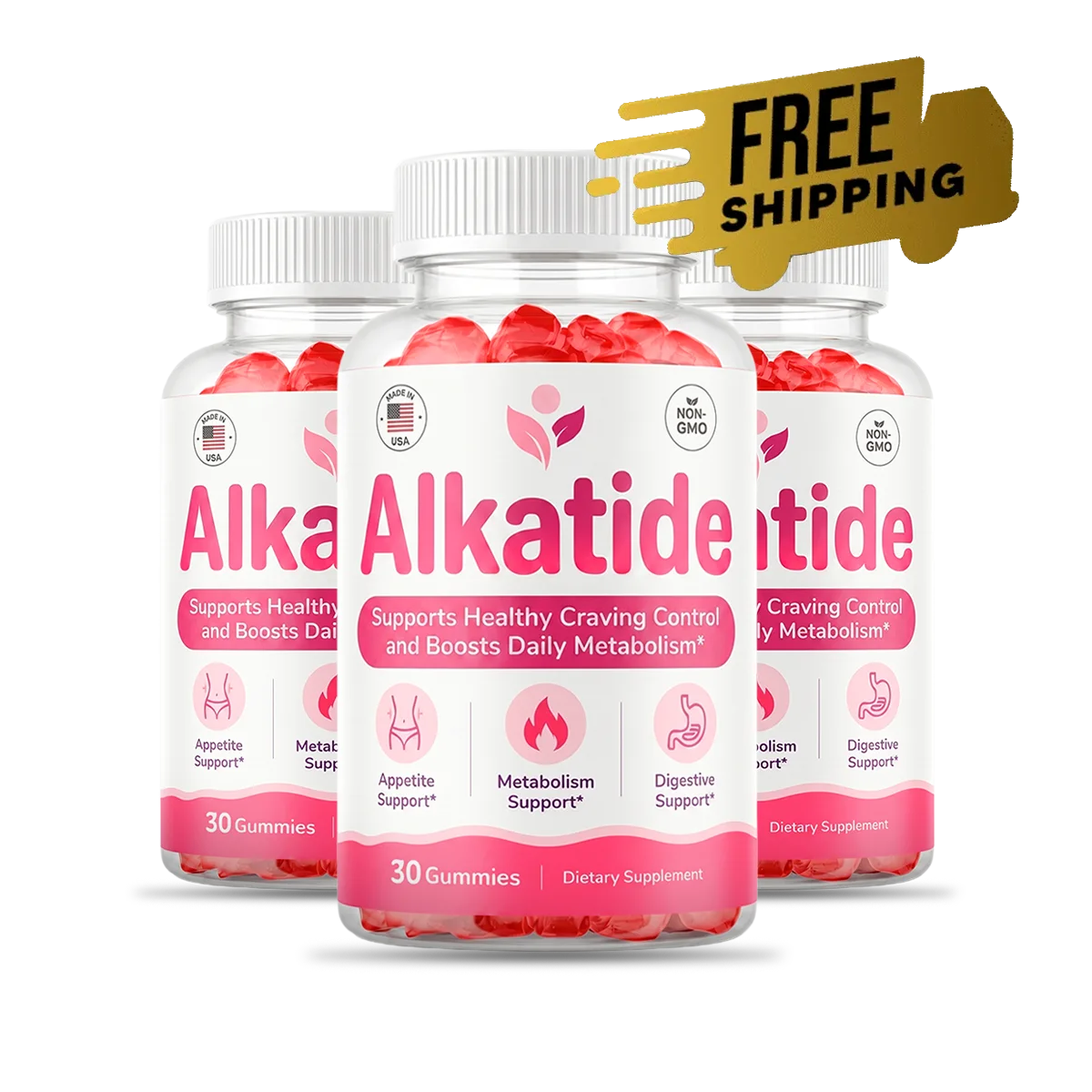
Skip the shot, keep the habit
If the appeal of a bedtime ritual was really just "an easy daily dose," a gummy gives you that without the reflux and enamel gamble. The official AlkaTide store has the current bundles, shipping terms and money-back window in one place.
Go to the Official AlkaTide Store