Apple Cider Vinegar for Weight Loss: Dosage, Timing, and the Capsule Question
Quick Answer: How Much Apple Cider Vinegar Should You Take for Weight Loss?
For weight management, the amount studied in people is modest: one to two tablespoons of apple cider vinegar a day, about 15 to 30 ml, always diluted in water and taken just before meals. That works out to roughly 750 to 1,500 mg of acetic acid, the compound the research actually measured.
- Dose: 1–2 tbsp (15–30 ml) of standard 5% vinegar per day, split across meals.
- Timing: just before a carbohydrate-heavy meal, not on an empty stomach.
- Always dilute: raw vinegar sits near pH 2.8–3 and can erode tooth enamel undiluted.
If you have searched for how to use apple cider vinegar for weight loss, you have almost certainly met two contradictory pieces of advice: drink a shot of it every morning, or don't bother because it does nothing. The truth sits in the boring middle. Vinegar is not a fat-burning miracle, but it is one of the few kitchen ingredients with real human trials behind a modest metabolic effect — and those trials used a specific, measurable dose that most people either overshoot or ignore entirely.
This guide is about that dose. How much to take, when to take it, why dilution is non-negotiable, and how the powdered capsules and gummies on the shelf compare with a spoon of liquid from the pantry. We will keep the claims tight and the numbers front and centre, because the whole point of a dose is that it is a number, not a vibe.
How much apple cider vinegar for weight loss? The studied dose
Nearly every trial people cite when they talk about apple cider vinegar for weight loss used somewhere between one and two tablespoons of ordinary 5% vinegar per day. In metric terms that is 15 to 30 millilitres. Because standard vinegar is about 5% acetic acid by volume, that translates to roughly 750 to 1,500 milligrams of acetic acid daily — and acetic acid, not the apple, not the colour, not the cloudy "mother", is the molecule the studies were actually testing.
That distinction matters more than any brand claim. When a study reports a benefit from vinegar, it is reporting a benefit from a quantified amount of acetic acid taken with food. A twelve-week Japanese trial that gets quoted constantly used 15 ml and 30 ml daily doses and saw small reductions in body weight and waist measurement versus a placebo drink. The effect was real but modest — the kind of nudge that supports a diet, not one that replaces it.
| What you take | Acetic acid, roughly | Comparable to trials? |
|---|---|---|
| 1 tablespoon (15 ml) 5% vinegar | ~750 mg | Yes — the low end of the studied range |
| 2 tablespoons (30 ml) 5% vinegar | ~1,500 mg | Yes — the high end |
| "500 mg ACV powder" capsule | Unknown, often a fraction | Only if the acetic acid figure is stated |
| Half a cup as a "cleanse" | Well above 1,500 mg | No — more risk, no more benefit |
The table hides a trap worth naming out loud. Doubling the spoon does not double the result. Above roughly two tablespoons you are adding acid load and side-effect risk without adding evidence, because no one ran the trials up there. The dose that has support is small on purpose.
When to take ACV for weight loss: timing around meals
Timing turns out to be almost as important as amount. The mechanism people care about — a gentler rise in blood sugar and insulin after eating, and a fuller feeling that comes from slower stomach emptying — only happens if the acetic acid is in your gut when the food arrives. Take it with or just before a meal and you get the effect. Take it two hours after, on an empty stomach, and you mostly get the acid without the upside.
The practical version: dilute your dose in a tall glass of water and drink it in the ten minutes before your largest, most carbohydrate-heavy meal of the day. If you want to use the full two-tablespoon dose, splitting it across your two biggest meals is gentler on the stomach than one large hit. We break down the physiology behind this in our explainer on how acetic acid targets stubborn belly fat, which covers why the pre-meal window is the one that counts.

Always dilute: the tooth-enamel rule you cannot skip
Raw apple cider vinegar sits at a pH somewhere around 2.8 to 3 — acidic enough to soften dental enamel with repeated contact. This is the single most common way people hurt themselves chasing a weight-loss benefit, and it is entirely avoidable. Never drink it neat. Dilute one to two tablespoons into at least a full glass (240 ml or more) of water, drink it reasonably quickly rather than sipping it over an hour, and rinse your mouth with plain water afterwards. Using a straw reduces contact with the front teeth further.
Two more habits protect you. Don't brush your teeth immediately after — enamel is temporarily softened by acid, and brushing straight away can scrub it. Wait thirty minutes. And if you have reflux, a sensitive stomach, or a history of ulcers, the empty-stomach shot is exactly the wrong move; food in the stomach buffers the acid considerably.
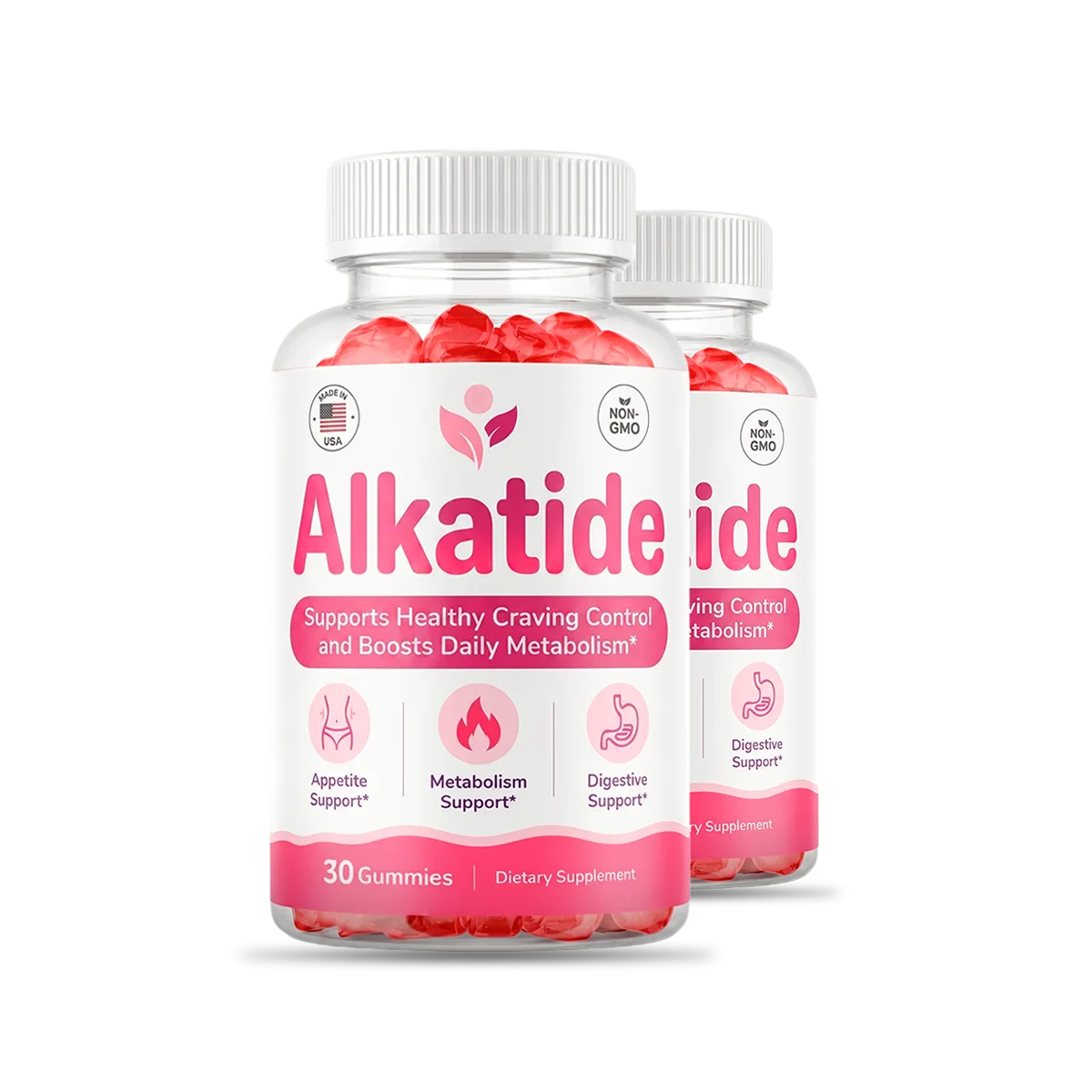
Want the dose without the daily measuring?
A pre-portioned apple-cider-vinegar gummy takes the guesswork — and the enamel risk — out of the routine. If that is the format you want, the current AlkaTide bundles, shipping terms and refund window live on the official store.
See AlkaTide Bundles & PricingLiquid, capsules or gummies: which format actually delivers the dose?
Here is where the marketing gets slippery. A tablespoon of liquid vinegar is honest: you know it is 5% acetic acid and you can do the arithmetic. Capsules and gummies are convenient and kinder to your teeth, but most of them are made from apple cider vinegar powder — vinegar spray-dried onto a carrier such as maltodextrin. A label reading "500 mg apple cider vinegar" tells you the weight of the powder, not the weight of acetic acid, and powders are commonly only a single-digit percentage acid. So a two-capsule serving can contain a small fraction of what one honest tablespoon delivers.
The takeaway is not "avoid capsules and gummies." It is "read for the acetic acid number." A format you will actually use every day beats a spoon of vinegar you abandon in week two, and the enamel-protection argument for a chew or capsule is genuine. But you only inherit the trial results if the dose matches the trials. We walk through this exact arithmetic — what survives manufacturing and what the milligram figures really mean — in our piece on whether ACV gummies still contain the mother.
Where does AlkaTide sit? Honestly, in the same spot as most of the category: it is an apple-cider-vinegar gummy whose manufacturer has not published a milligram figure for its acetic acid. We say that plainly rather than papering over it. What a gummy buys you is consistency and convenience — the same small dose, every day, without the sour hit — and for many people that adherence is worth more than a theoretically larger dose they never keep up.
Can you take too much? Signs you've overshot
Yes, and it is worth taking seriously because the failure mode of "more is better" is real here. Excessive undiluted vinegar has been linked to enamel erosion, throat and oesophageal irritation, nausea, and in extreme long-term overuse, low blood potassium and reduced bone density. Vinegar also slows gastric emptying, which is usually the point but can be a problem if you have gastroparesis, and it can nudge blood sugar downward — relevant if you take insulin or other glucose-lowering medication. It may also interact with certain diuretics and heart medications that affect potassium.
The safe frame is simple: one to two tablespoons a day, always diluted, taken with food, is the amount with evidence behind it. If you notice heartburn, a raw throat, or stomach discomfort, you have gone too far or diluted too little — back off, don't push through. And if you take prescription medication or manage a chronic condition, clear it with a clinician first, because the interactions above are not hypothetical.
Medical note: this article is general information, not medical advice. Apple cider vinegar can lower blood sugar and slow stomach emptying, which matters if you have diabetes, reflux or gastroparesis, or take insulin or diuretics. Speak to a qualified healthcare professional before adding it, especially alongside prescription medication.
Frequently asked questions
How much apple cider vinegar should I take daily?
Most human studies used one to two tablespoons a day, which is 15 to 30 ml of ordinary 5% vinegar, or roughly 750 to 1,500 mg of acetic acid. Start at the low end, always diluted in a large glass of water, and take it with a meal rather than on an empty stomach.
When is the best time to take ACV for weight loss?
Just before a meal, ideally a carbohydrate-heavy one. Vinegar taken with a meal blunts the post-meal blood sugar rise more than vinegar taken at other times, and taking it before you eat gives the acetic acid time to slow gastric emptying. Splitting the dose across your two largest meals is a reasonable approach.
Are ACV capsules or gummies as effective as liquid?
They can be, but only if they deliver a comparable amount of acetic acid, and most do not state how much they contain. A capsule or gummy standardises the dose and avoids the acid contact with tooth enamel that comes from sipping vinegar. The catch is that apple cider vinegar powder on a label is not the same weight as acetic acid.
Can you take too much apple cider vinegar?
Yes. More is not better. Large, undiluted amounts have been linked to tooth enamel erosion, throat irritation, low potassium and worsened reflux, and vinegar can interact with insulin, diuretics and some heart medications. One to two tablespoons a day, always diluted, is the amount the research actually supports.
Scientific references
Related reading
How acetic acid targets stubborn belly fat
The AMPK, gastric-emptying and blood-sugar story behind the belly-fat searches — and what it cannot do.
Read the article →
SafetyApple cider vinegar side effects and safety
Enamel, reflux, potassium and medication interactions — who should be cautious and how to dose safely.
Read the article →
Format CheckDo ACV gummies still contain the mother?
What survives gummy manufacturing, and why "mg of ACV powder" is not mg of acetic acid.
Read the article →
ReviewAlkaTide reviews: does it actually work?
An independent look at the AlkaTide gummy, its three ingredients, and what the label does and doesn't disclose.
Read the article →
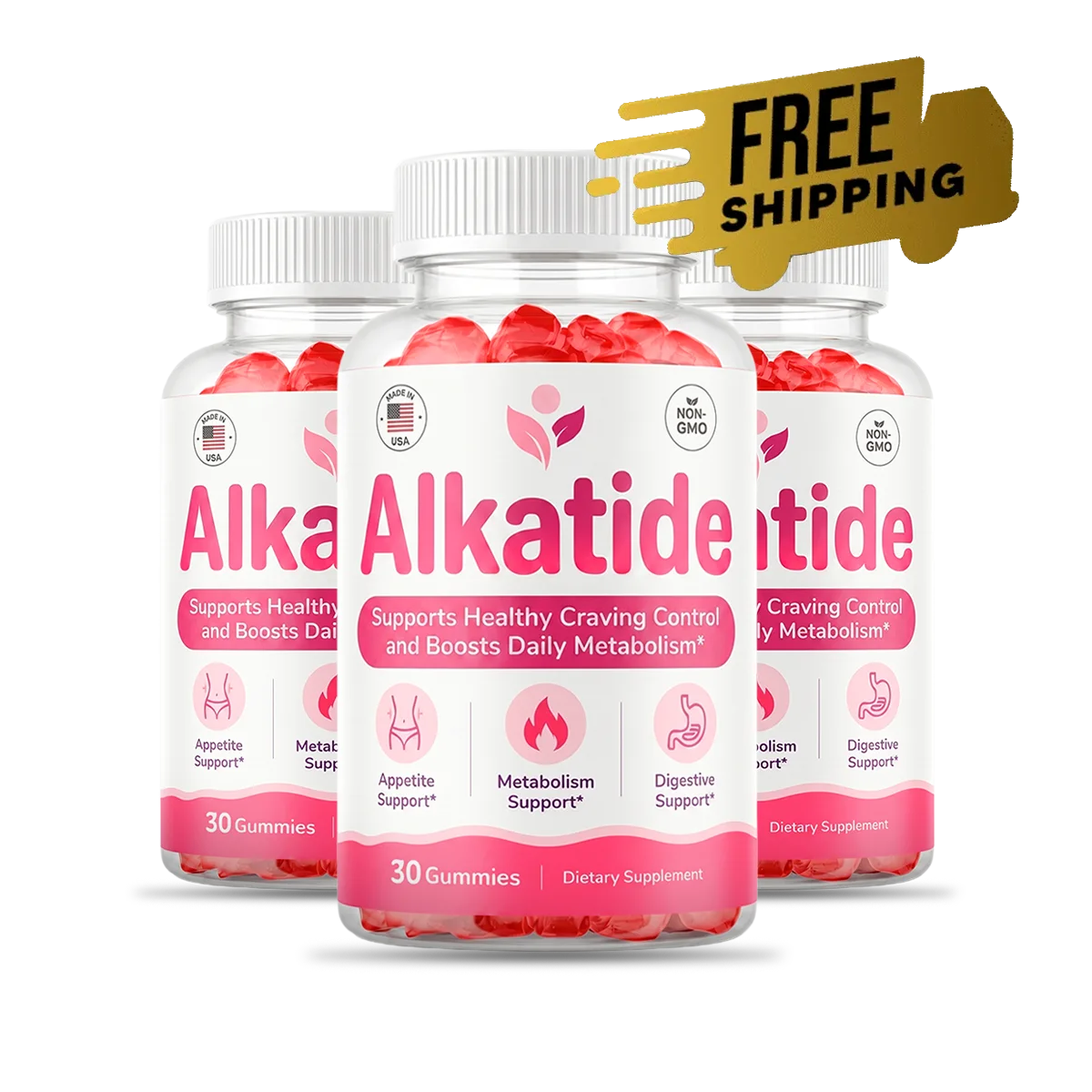
Ready to take the dose consistently?
The hardest part of any vinegar routine is doing it every day. If a pre-measured gummy is what gets you there, the official AlkaTide store has the current bundles, shipping terms and money-back window in one place.
Go to the Official AlkaTide Store