Apple Cider Vinegar Side Effects & Safety
What Are the Side Effects of Apple Cider Vinegar?
The most common apple cider vinegar side effects come from the acidity of the liquid: enamel erosion, throat irritation and worse reflux. Larger doses can cause nausea and, rarely, low potassium. Most are dose-and-format problems, so diluting the liquid or using a standardised capsule or gummy removes much of the direct acid exposure.
- Acidity is the issue: liquid ACV sits at pH 2.8 to 3, enough to erode enamel and irritate the throat.
- Mega-doses are the problem; modest studied amounts are generally well tolerated.
- Some people should check first: diabetes, diuretic and potassium interactions matter.

Search for apple cider vinegar side effects and you will find two extremes: breathless warnings that it will rot your teeth and wreck your gut, and equally breathless claims that it is a harmless miracle tonic. The accurate picture sits calmly in the middle. For most healthy adults, apple cider vinegar is generally well tolerated at the modest amounts actually used in studies. The real risks are specific, predictable and mostly tied to one property — its acidity — which means nearly all of them can be reduced by how, and in what form, you take it.
This is a trust-building safety guide rather than a scare piece. We will go through the side effects that are genuinely worth knowing, who should be cautious, how to take vinegar without the downsides, and why a standardised capsule or gummy quietly removes the single biggest source of trouble. As always, we are an independent publisher, so we have no reason to overstate the safety or the risk.
The most common apple cider vinegar side effects
Let us start with what is real and reasonably well documented. The complaints that come up most often are not exotic — they are the direct, mechanical consequences of putting a strong acid in your mouth, throat and stomach.
Tooth enamel erosion. This is the best-established risk. Repeated contact with an acid at pH 2.8 to 3 can soften and gradually wear away tooth enamel, especially when vinegar is sipped slowly, swished around, or taken neat throughout the day. Enamel does not grow back, so this is the risk worth taking most seriously.
Throat and mouth irritation. The same acidity that troubles enamel can irritate the soft tissues of the mouth and throat, particularly with undiluted vinegar. There are documented cases of throat irritation and even injury from vinegar taken neat or from tablets that lodged and dissolved slowly.
Worse acid reflux and heartburn. This one surprises people, because vinegar is sometimes recommended for digestion. For those prone to reflux, adding acid can make heartburn worse rather than better, and a burning throat afterwards is a common report.
Nausea and appetite loss. At higher doses, some people simply feel queasy. That is partly the taste and partly the slowed stomach emptying that vinegar can cause — useful in small measure, unpleasant in excess.
Rarely, low potassium and bone concerns. There are older case reports linking very large, long-term daily intake to low blood potassium and weakened bone. These involve extreme, sustained overuse rather than normal amounts, but they are the clearest illustration of why more is not better with vinegar.
Why the acidity is the real culprit
Notice the pattern: almost every item on that list traces back to a single property. Apple cider vinegar is roughly 5 to 6 percent acetic acid, and its pH sits around 2.8 to 3 — comfortably in the range that dissolves mineral from enamel and irritates soft tissue on direct, repeated contact. This matters because it reframes the whole safety question. The danger is not some mysterious toxin in vinegar; it is straightforwardly the concentration and contact time of an acid. That is genuinely good news, because concentration and contact time are things you can control.
The two variables that decide your risk are dose and exposure. Dose is how much acetic acid you take; exposure is how long and how directly that acid touches your teeth, throat and oesophagus. A shot of neat vinegar maximises both. A tablespoon diluted in a large glass of water, sipped reasonably and followed by a rinse, dramatically reduces exposure. And a format where the acetic acid is delivered past the mouth entirely reduces the enamel exposure to essentially nothing. Keep those two dials in mind and most of the fear around apple cider vinegar side effects becomes manageable.
Prefer the acetic acid without the acid bath?
A gummy is one way to keep the acetic acid away from your teeth and throat. AlkaTide is an apple-cider-vinegar gummy taken once daily — and if you are comparing where to buy without landing on a marketplace reseller, the official store lists the current bundles, shipping and refund terms.
Check the Official AlkaTide StoreMedication interactions worth taking seriously
This is the part of the safety picture that deserves more attention than the enamel warnings usually get, because it can matter more. "Natural" does not mean "no interactions." Because vinegar can modestly lower blood sugar and can affect potassium levels, it can stack with certain medications in ways that push those numbers too far.
Diabetes medication and insulin. If a medicine is already lowering your blood glucose, adding vinegar's glucose-lowering effect can, in principle, contribute to blood sugar going too low. This does not mean the two can never coexist — many people manage both with guidance — but it does mean it should be a conversation with your prescriber, with monitoring, rather than a solo experiment.
Diuretics (water pills). Some diuretics lower potassium. Vinegar taken in large amounts has been linked to low potassium. Combining the two theoretically compounds the risk, so this pairing warrants medical input.
Digoxin and certain heart medications. Digoxin's safety is sensitive to potassium levels; anything that lowers potassium can increase the risk of side effects. That places heavy vinegar use on the caution list for anyone taking it.
The practical rule is simple and worth stating plainly: if you take any prescription medication — and especially medication for diabetes, blood pressure, the heart or the kidneys — check with your doctor or pharmacist before making apple cider vinegar a daily habit. It is a two-minute question that removes the only genuinely serious risks on this page.
How to take apple cider vinegar safely
If you want the liquid, a handful of simple habits neutralise most of the downside:
Always dilute it. One to two tablespoons in a large glass of water, never neat. Diluting reduces both the acid concentration touching your tissues and the harshness on the way down.
Protect your teeth. Drink through a straw so the liquid bypasses your teeth, rinse your mouth with plain water afterwards, and — importantly — do not brush your teeth immediately after, because brushing acid-softened enamel accelerates the wear. Wait 30 minutes or so before brushing.
Keep the dose modest. The amounts used in studies are small, typically one to two tablespoons a day. Doubling and tripling that in pursuit of faster results is exactly how the rare, serious problems arise. More is not better here; it is just more acid.
Take it with or before food, and stop if it disagrees. Vinegar on a sensitive empty stomach, or in someone with reflux, is more likely to cause trouble. If it consistently gives you heartburn or nausea, that is your body opting out, and there is no prize for pushing through.
| Format | Enamel & throat exposure | Dose control | Best for |
|---|---|---|---|
| Neat liquid vinegar (a "shot") | Highest — direct acid on teeth and throat | Poor; easy to overdo | Not recommended |
| Diluted liquid in water | Reduced if you use a straw and rinse | Reasonable with a measuring spoon | People who like the ritual and have healthy teeth |
| Standardised capsule | Minimal — acid bypasses the mouth | Fixed per capsule | Consistency and enamel protection |
| Gummy | Low, though it lingers in the mouth briefly | Fixed per gummy | Convenience and taste; rinse afterwards |
Medical note: general information only, not medical advice. Talk to a clinician before taking apple cider vinegar regularly if you have diabetes, kidney disease, low potassium, an eating disorder history, reflux, or take any medication, and if you are pregnant or nursing. Stop and seek advice if you experience persistent throat pain, difficulty swallowing or symptoms of low potassium such as weakness or an irregular heartbeat.
Why standardised capsules and gummies reduce the risk
Here is the honest through-line. Most apple cider vinegar side effects are about acid touching tissue it should not linger on. A capsule or gummy delivers the acetic acid past your teeth and lets it dissolve in the stomach, which is built to handle acid, so the enamel and throat exposure that drives the common complaints largely disappears. Fixed servings also solve the dosing problem — you cannot accidentally take a triple "shot" from a gummy the way you can from a bottle. That is not marketing; it is just the physics of where the acid ends up.
There are real trade-offs to be honest about, too. Gummies carry added sugar or sweeteners and gelling agents, and they still spend a few seconds in the mouth, so a quick rinse afterwards is sensible. And the format question is separate from the potency question: a capsule that lists no acetic acid content, or a gummy with no Supplement Facts figure, gives you convenience without telling you the dose. That is a recurring theme with the product we cover.
Speaking of which: AlkaTide is an apple-cider-vinegar gummy with three named ingredients — apple cider vinegar, citric acid and pectin — and the manufacturer publishes no milligram figure for any of them. We say that plainly rather than working around it. The gummy format does remove most of the enamel-and-throat exposure discussed above, which is a genuine safety advantage over sipping neat vinegar; what it cannot do is tell you how much acetic acid you are getting. If you want to go deeper, we have examined whether the "mother" and its live cultures survive ACV gummy manufacturing, the sensible apple cider vinegar dosage for weight loss, and the marketing behind citric acid and the alkaline diet claim. For the product-specific verdict, see our write-up on AlkaTide reviews and whether it actually works.
Frequently asked questions
What are the side effects of apple cider vinegar?
The most common issues come from the acidity of the liquid: tooth enamel erosion, throat and mouth irritation, and worse acid reflux or heartburn in sensitive people. Larger or frequent doses can cause nausea and, rarely, low potassium over time. Most of these are dose and format problems rather than reasons to avoid vinegar entirely, and diluting the liquid or using a capsule or gummy removes much of the direct acid exposure.
Is it safe to take ACV every day?
For most healthy adults, a small daily amount of well-diluted apple cider vinegar, or a standardised capsule or gummy, is generally well tolerated. Safety comes from moderation: keep to modest studied amounts rather than mega-doses, dilute the liquid, and do not treat more as better. People with diabetes, kidney problems, low potassium, or those on medication, and anyone pregnant or nursing, should check with a clinician before making it a daily habit.
Can ACV damage your teeth or throat?
Yes, the liquid can. Apple cider vinegar has a pH around 2.8 to 3, which is acidic enough to soften and erode tooth enamel with repeated direct contact and to irritate the throat. To reduce the risk, always dilute it in water, drink through a straw, rinse your mouth afterwards, and do not brush your teeth immediately after. Capsules and gummies largely bypass this because the acid never bathes your teeth.
Does apple cider vinegar interact with medications?
It can. Because vinegar may lower blood sugar and affect potassium, it can add to the effects of diabetes medication, insulin, diuretics (water pills) and some heart medications such as digoxin. That combination can push blood sugar or potassium too low. If you take any of these, or medication of any kind, talk to your doctor or pharmacist before using apple cider vinegar regularly rather than assuming a natural product is automatically safe alongside them.
Related reading
Scientific references
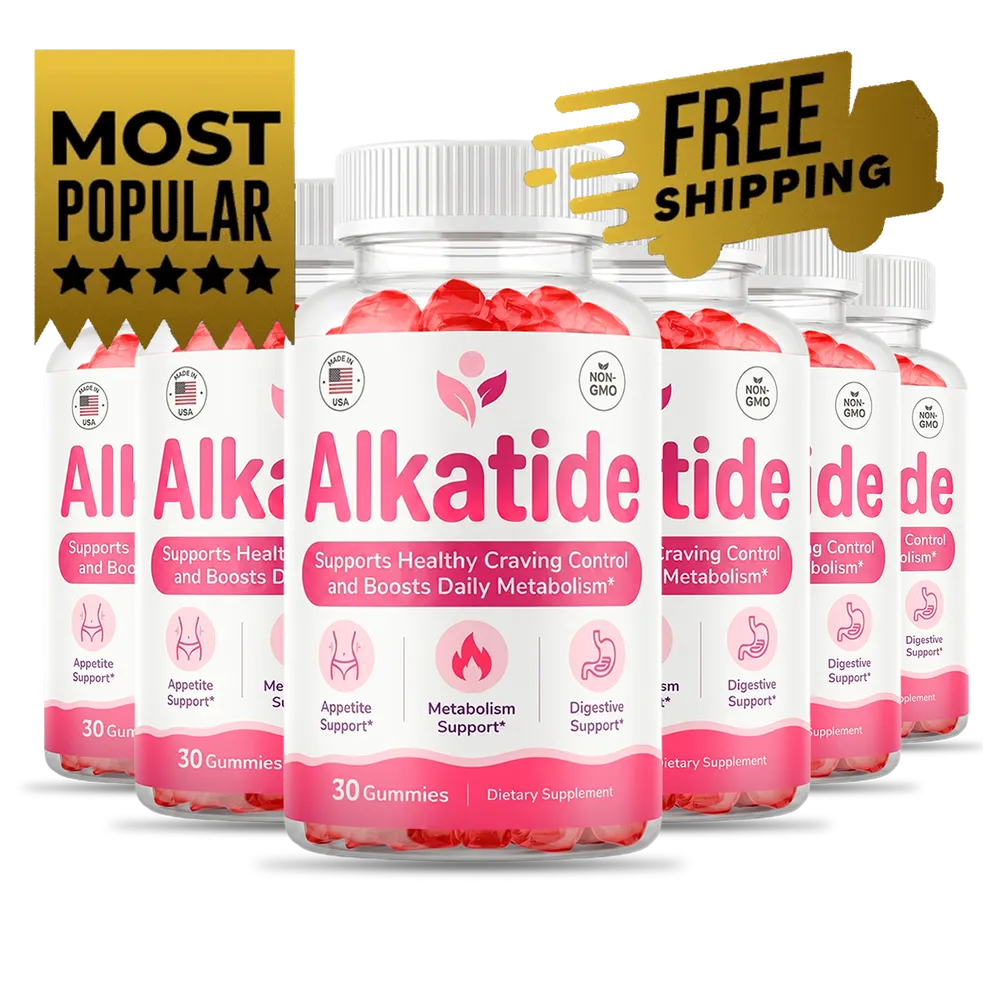
The convenient, enamel-friendly format
If a once-daily gummy is the way you would rather take your apple cider vinegar — without the neat-liquid downsides — the current bundle options, shipping terms and refund window for AlkaTide are published on the official store page.
Go to the Official Store