Citric Acid, “Alkaline” Branding and What pH Actually Does
Quick Answer: Can a Supplement Alkalise Your Body?
No, and this is one of the few nutrition questions with a clean answer. Blood pH is held between about 7.35 and 7.45 by your lungs and kidneys, and it does not drift with diet — if it did, you would be in a medical emergency rather than a wellness trend. Food and supplements change the pH of your urine, which is the buffering system doing its job, not evidence of anything happening to your blood. Citric acid, the ingredient most often present in “alkaline” branded products, is an acid.
- Blood pH: ~7.35–7.45, defended by respiration and the kidney. Not diet-adjustable.
- Urine pH: genuinely changes with diet. It is an output, not a health outcome.
- Citric acid in a gummy: sour agent, preservative and pectin-setting aid. A formulation ingredient, not a metabolic one.
What citric acid is doing in the bottle
Citric acid is on the ingredient list of almost every pectin gummy made. It has three jobs there, and none of them is metabolic. It provides the sour note that keeps a sugar-heavy chew from tasting cloying. It lowers the pH of the mix, which is what makes high-methoxyl pectin set into a gel in the first place. And it acts as a mild preservative and antioxidant, protecting colour and flavour on the shelf.
That is a perfectly respectable list. It is just not the list the sales copy gives, which describes citric acid as "a key compound for internal pH balance and metabolic support" that helps convert nutrients into energy. The second half borrows from something real — citrate is a genuine intermediate in the citric acid cycle, the pathway your mitochondria use to make ATP — but eating citrate does not accelerate that cycle any more than eating a brick speeds up bricklaying. The cycle is not short of substrate.
Why blood pH is not a lifestyle variable
Your body regulates blood pH within roughly a tenth of a unit, and it has two fast systems to do it. The lungs adjust carbon dioxide, which is the largest acid load the body handles, by changing how hard you breathe. The kidneys adjust bicarbonate retention and acid excretion over hours. Together they hold the number steady across an enormous range of diets. Falling outside that range — acidosis or alkalosis — is a clinical event with causes like kidney failure, uncontrolled diabetes or respiratory disease, and it is not something a gummy causes or corrects.
What does change is urine pH, which is exactly what you would expect from a kidney doing its job. Alkaline-diet marketing frequently uses a urine pH strip as a demonstration. It demonstrates that the system works.
Where the acid-base idea does have a real foothold
| Claim | Status |
|---|---|
| An alkaline diet changes blood pH | No. Homeostasis holds it. |
| Diet changes urine pH | Yes — and it is used clinically, for example in managing certain kidney stones. |
| Dietary acid load may affect bone or kidney outcomes over decades | An open research question, studied at the level of whole diets, not of one gummy. |
| "Alkalising" supplements treat disease | No. This is the claim that draws regulatory attention. |
The genuinely useful version of the alkaline-diet idea is boring: diets built on vegetables, fruit and legumes tend to be lower in dietary acid load, and also higher in fibre, potassium and magnesium. The benefits people attribute to alkalinity are more plausibly attributable to eating a lot of plants.
Reading a product name as a name
Product names are not ingredient claims and are not regulated as if they were. A supplement called AlkaTide can contain citric acid without anyone having lied to you — but if the reason you are buying it is the first four letters, that is worth knowing before you order rather than after. Look at the ingredient list; the name is branding.
Medical note: general information only. If you have kidney disease or a history of kidney stones, urinary and dietary acid load is a real clinical topic — one for your doctor, not for a supplement label.
Scientific references
Frequently asked questions
Can food or supplements change your blood pH?
No. Blood pH is held between about 7.35 and 7.45 by the lungs and kidneys. Moving outside that range is a medical emergency with clinical causes, not a dietary effect.
Why does a pH strip change colour after I change my diet?
Because it is measuring urine, not blood. Changing urine pH is the kidney doing its job of keeping blood pH constant. It is evidence the system works, not evidence a supplement is alkalising you.
What does citric acid do in a gummy?
Three formulation jobs: it supplies the sour taste, it lowers the pH enough for high-methoxyl pectin to set into a gel, and it acts as a mild preservative and antioxidant. It is not there for your metabolism.
Is there anything to the alkaline diet at all?
The dietary pattern behind it — lots of vegetables, fruit and legumes — is a good one, but for ordinary reasons like fibre, potassium and magnesium rather than because of pH.
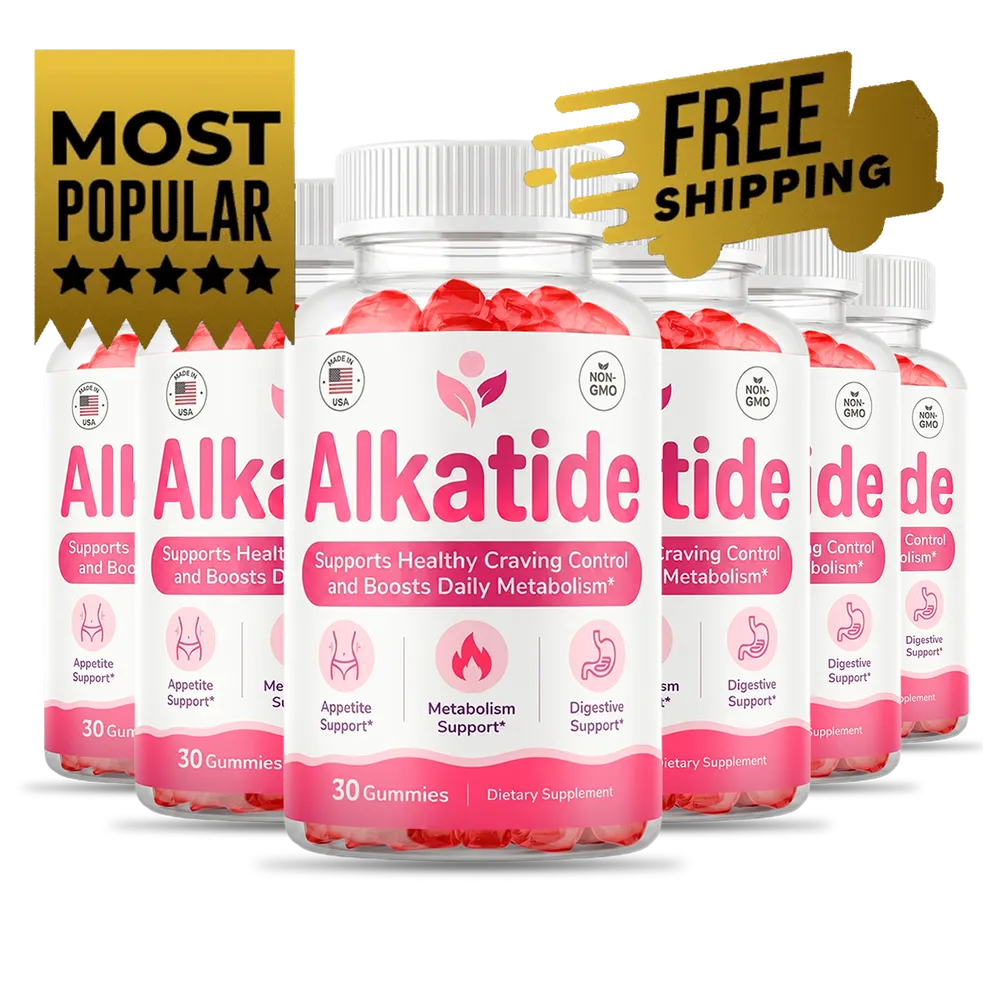
AlkaTide names three ingredients — we checked all three
Read the full label audit, including what the official page says about citric acid and what the chemistry says back.
Read the AlkaTide Review