Do ACV Gummies Still Contain “The Mother”?
Quick Answer: Is There “Mother” in an ACV Gummy?
Almost never, and it matters less than the marketing implies. “The mother” is the cloudy raft of cellulose and live bacteria left over from fermentation. It is fragile: pasteurisation, filtration and the heat used to cook a gummy syrup all destroy it. What does survive is acetic acid — the small, heat-stable molecule that every human trial on vinegar has actually studied. So a gummy can carry the studied active while carrying none of the thing the bottle photography sells.
- The mother: cellulose plus live acetic-acid bacteria. Not the studied active, and not heat-stable.
- The active: acetic acid, stable through heating and drying.
- What to look for: milligrams of acetic acid per serving — not “mg of ACV powder”, which can be mostly carrier.
Two different things wearing the same name
Apple cider vinegar is made in two steps. Yeast turns apple sugar into alcohol; then Acetobacter bacteria turn the alcohol into acetic acid. Those bacteria build a cellulose raft as they work, and that raft — bacteria, cellulose, some proteins and enzymes — is what people call the mother. It is why raw vinegar looks cloudy and why the bottle gets shaken before pouring.
The evidence, though, is not about the mother. Every human trial that put apple cider vinegar on the map measured a vinegar dose defined by its acetic acid content. Acetic acid is a two-carbon molecule that survives heat, acid and drying without complaint. The mother does none of that.
What a gummy production line does to it
A pectin gummy is a cooked confection. Pectin, sugars and water are heated until the pectin hydrates, the acid and flavour go in near the end, and the mix is deposited into moulds and dried for hours in warm air. Any live culture in the starting material is not going to be live at the other end — and it does not need to be, because the acetic acid rides straight through.
There is a second wrinkle. Most gummies are not made with liquid vinegar at all. They are made with ACV powder, which is vinegar spray-dried onto a carrier such as maltodextrin. That is a sensible manufacturing choice and it is also where the arithmetic gets slippery, because "500 mg apple cider vinegar powder" is not 500 mg of acetic acid.
How to read a vinegar label
| What the label says | What you can conclude |
|---|---|
| "Acetic acid 300 mg per serving" | Directly comparable to the trials. Rare, and a good sign. |
| "Apple cider vinegar powder 500 mg" | Unknown acetic acid. Powders are commonly 4–10% acid by weight, so the real figure may be a small fraction. |
| "With the Mother" | A statement about the input, not the finished gummy, and not about the studied active at all. |
| No amount at all | Nothing can be concluded. This is where AlkaTide currently sits. |
How much acetic acid did the trials use?
The studies people quote used roughly one to two tablespoons of ordinary 5% vinegar a day, taken with a meal. That is somewhere in the region of 750 to 1,500 mg of acetic acid daily — a quantity you can taste, and a quantity that is difficult to hide in a two-gram chew without it tasting like a chew made of vinegar. This is the honest tension in the whole category, and it is not resolved by putting a picture of the mother on the bottle.
So is a gummy pointless?
No, but the comparison has to be made properly. A gummy you take every day at a smaller, unstated dose may well do more than a tablespoon of vinegar you gave up on in week two — and it avoids the repeated acid contact with tooth enamel that dentists warn about. What it does not do is inherit the trial results. Anyone quoting the vinegar literature to sell an undisclosed dose is borrowing evidence that does not belong to their product.
Medical note: this article is general information, not medical advice. Vinegar slows gastric emptying, which can matter if you have gastroparesis or reflux or take insulin. Speak to a healthcare professional before adding it if you take prescription medication.
Scientific references
Frequently asked questions
Does heat destroy the mother in ACV gummies?
Yes. The mother is cellulose and live bacteria, and it does not survive pasteurisation, filtration or the heating and drying used to make a gummy. Acetic acid, which is what the trials actually measured, does survive.
Is ACV powder the same as apple cider vinegar?
Not by weight. ACV powder is vinegar spray-dried onto a carrier such as maltodextrin, so a milligram figure for the powder is not a milligram figure for acetic acid. Powders are commonly a single-digit percentage acid by weight.
How much acetic acid do the trials use?
Roughly one to two tablespoons of ordinary 5% vinegar a day with a meal, which is somewhere around 750 to 1,500 mg of acetic acid. Very few gummies state a comparable figure.
Are ACV gummies better for teeth than drinking vinegar?
That is the one clear advantage of the format. Repeated exposure to acidic liquid is associated with dental erosion, and a chew that is swallowed quickly reduces contact time compared with sipping vinegar.
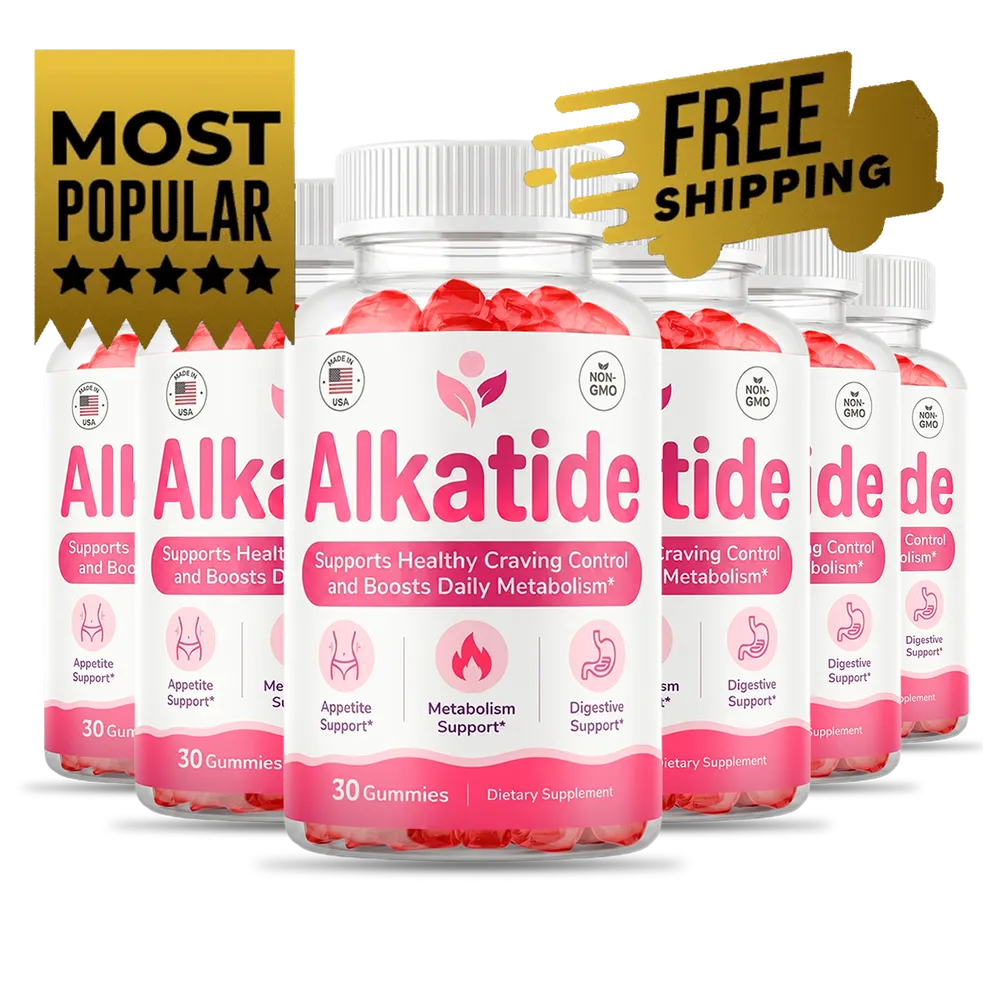
See how AlkaTide handles the dose question
Our AlkaTide page reads the bottle in full — including the milligram figures the manufacturer has never published.
Read the AlkaTide Review