Apple Cider Vinegar Belly Fat: How Acetic Acid Targets the Stubborn Kind
Quick Answer: Can Acetic Acid Really Target Belly Fat?
The apple cider vinegar belly fat story is real but modest: vinegar does not target fat in one spot. Its acetic acid activates the enzyme AMPK, slows stomach emptying and blunts post-meal blood sugar and insulin spikes. In trials, daily vinegar with a reduced-calorie diet lowered visceral fat over about twelve weeks.
- The mechanism: AMPK activation plus slower digestion and steadier blood sugar.
- The evidence: small RCTs show reduced visceral fat area, strongest in metabolic syndrome.
- The honest limit: it is metabolic support, not spot reduction, and it needs a calorie deficit.

The phrase "apple cider vinegar belly fat" is one of the most-searched combinations in the entire supplement world, and it comes loaded with a fantasy: that a spoonful of something sour could melt the fat around your middle specifically. Let's clear that up in the first sentence — spot reduction is not a thing, for vinegar or crunches or anything else. But the more interesting truth is that acetic acid, the active compound in vinegar, does have a genuine, measurable set of effects on how your body handles fuel. It is just that those effects are metabolic and whole-body, not a laser pointed at your abdomen.
This article is the mechanism explainer. We will walk through what acetic acid actually does inside a cell, why the belly is where visceral fat lives and why that matters, what the human trials found, what a fresh line of 2026 gut-microbiome research adds, and where the honest limits are. No miracle framing — just the biology, and where a product like an ACV gummy fits into it.
What acetic acid does once it is in you
Acetic acid is a tiny two-carbon molecule, and its most interesting trick is that it appears to switch on an enzyme called AMPK — adenosine monophosphate-activated protein kinase. Think of AMPK as a cellular fuel gauge. When it senses that a cell's energy is running low, it flips the metabolism toward burning fuel and away from storing it. In practical terms, activated AMPK encourages cells to take up and oxidise fatty acids and glucose, and it dials down the liver's fat-building (lipogenesis) machinery. Acetic acid seems to nudge that switch, which is the cellular story behind vinegar's reputation.
That is not the whole picture. Acetic acid also slows gastric emptying — food leaves your stomach more gradually — which flattens the curve of sugar entering your bloodstream after a meal and helps you feel full for longer. And it independently blunts the post-meal rise in blood glucose and insulin. That last point is the quiet key to the whole belly-fat question, so it deserves its own section.
Why blunting insulin matters for the belly specifically
Insulin is the body's storage hormone. After a carb-heavy meal, blood sugar rises, insulin surges to shuttle that sugar out of the blood, and one of insulin's jobs is to promote fat storage and suppress fat release. Sharp, repeated insulin spikes keep the body in storage mode. Anything that flattens those spikes shifts the balance, at the margins, toward using fat rather than banking it.
Vinegar's best-replicated effect in humans is exactly this: taken with a carbohydrate-rich meal, it lowers the post-meal glucose and insulin response compared with the meal alone. Do that meal after meal, day after day, and you have a small, steady tilt away from storage. Visceral fat — the deep abdominal fat packed around your organs, as opposed to the pinchable subcutaneous kind — is especially responsive to insulin and metabolic signals, which is part of why abdominal measurements are where the vinegar trials tend to show their (modest) movement. If you want the practical side of this, our guide to the right apple cider vinegar dosage for weight loss covers exactly when and how much to take to catch that meal-time window.

What the apple cider vinegar belly fat trials actually found
Here is the evidence, stated plainly. The most-cited randomised controlled trial gave adults with excess weight a daily vinegar drink (15 or 30 ml) for twelve weeks alongside a controlled diet. The vinegar groups saw small but statistically significant reductions in body weight, waist circumference and visceral fat area versus placebo. "Small" is the operative word: we are talking a couple of pounds and a modest change in waist measurement, not a transformation.
More recent work has focused on people with metabolic syndrome — the cluster of high waist size, high blood sugar and unfavourable lipids — and it is in that group that acetic acid tends to show its clearest effects, probably because they have the most metabolic dysfunction to improve. That is an important nuance for expectations: the more room there is to move a metabolic marker, the more a gentle intervention like vinegar can nudge it. In a lean, metabolically healthy person, the effect is likely to be smaller still.
Vinegar does not burn belly fat. It slightly changes the metabolic conditions under which your body decides whether to store or use fuel — and it does that best when the rest of your diet is already moving in the right direction.

Want the acetic acid without the sour shot?
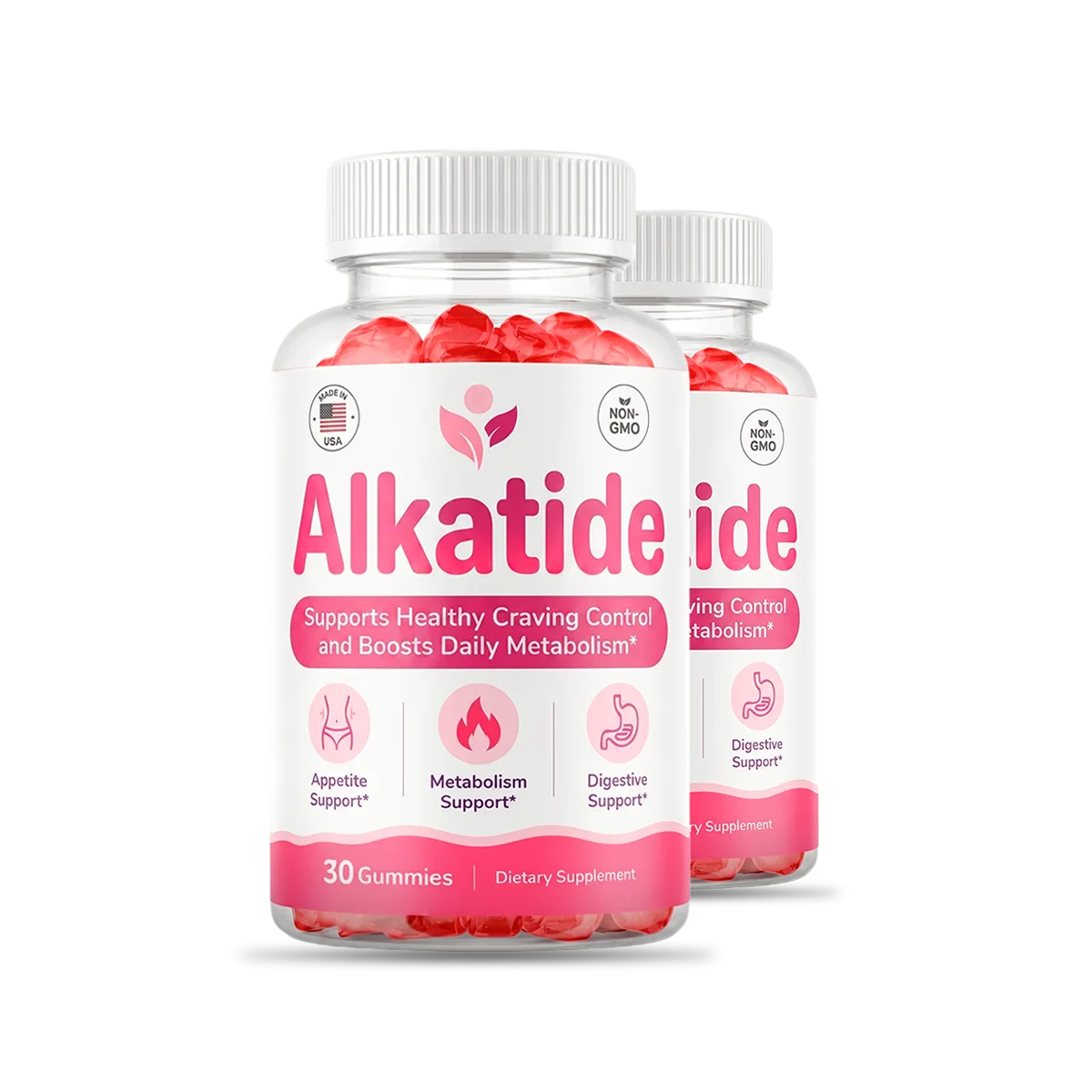
AlkaTide packs a daily apple-cider-vinegar dose into a gummy — the same meal-time habit, without the enamel-punishing swig of liquid. If that fits your routine, the official store has current bundles and shipping terms.
See AlkaTide Bundles & PricingThe 2026 gut-microbiome angle
The newest and most intriguing thread is not about AMPK at all — it is about the bacteria in your gut. A 2026 pilot study reported that daily apple cider vinegar was associated with a rise in Akkermansia muciniphila, a gut microbe that lives in the mucus layer of the intestine and that repeatedly shows up in the research as being more abundant in leaner people and lower in those with fat accumulation and metabolic problems. The proposed loop is elegant: acetic acid feeds or favours beneficial microbes, those microbes strengthen the gut barrier and influence appetite and metabolism signalling, and the system tilts gently toward better fuel handling.
A word of caution, because this is exactly where hype outruns data. A pilot study is a small, early, hypothesis-generating snapshot — not proof of a durable effect, and certainly not proof that raising one microbe causes belly-fat loss. It is a promising direction that connects the old acetic-acid story to the newer gut-first supplement wave. If the microbiome angle is what pulled you in, the related idea of gut bacteria and the body's own appetite hormones is worth understanding, which is why we wrote a separate piece on gut bacteria, GLP-1 and the "natural Ozempic" claims.
What acetic acid does not do
This section is deliberately blunt, because the belly-fat search is where the wildest promises live. Acetic acid does not spot-reduce fat — you cannot target your abdomen any more than you can target your left elbow. It does not override a calorie surplus; if you eat more energy than you burn, you will store fat, vinegar or no vinegar. It is not a substitute for the big levers of protein intake, total calories, sleep and daily movement, all of which dwarf it. And "alkalising" your body has nothing to do with any of this — a myth we take apart in our explainer on citric acid, "alkaline" branding and what pH actually does.
It also is not instant. The blood-sugar effect shows up at your very next meal, but the body-composition changes measured in trials took about twelve weeks of daily, consistent use paired with a controlled diet. If you are expecting the scale or the tape measure to move in a week, you will be disappointed and probably quit before the mechanism has had a chance to add up.
Where AlkaTide fits into this
AlkaTide is an apple-cider-vinegar gummy, so its relevance here is straightforward: it is a convenient way to take a small, daily dose of the acetic acid we have been describing, timed around meals, without the enamel wear and sour burn of liquid vinegar. It also contains pectin, a soluble fibre that supports the slower-digestion side of the story, and citric acid, which is a flavour and stability ingredient rather than a metabolic active.
We will keep our usual honesty here: the manufacturer has not published a milligram figure for the acetic acid, so we cannot tell you exactly how the dose compares with the trial amounts. What a gummy reliably provides is adherence — the same small dose, every day, at the meal-time window that the mechanism actually depends on. For the acetic-acid story to do anything, consistency is the whole ballgame, and a format you will keep using beats a superior dose you abandon.
Medical note: this article is general information, not medical advice, and does not describe a treatment for obesity or any medical condition. Apple cider vinegar can lower blood sugar and slow gastric emptying, which matters if you take insulin or have gastroparesis or reflux. Speak to a qualified healthcare professional before starting it, especially alongside prescription medication.
Frequently asked questions
Can apple cider vinegar reduce belly fat?
It can support a modest reduction, not perform spot reduction. Controlled trials in people with excess weight or metabolic syndrome have measured small drops in visceral fat area and waist size when vinegar was added to a reduced-calorie diet. The effect is real but modest, and it works through overall metabolism, not by dissolving fat in one spot.
How does acetic acid affect fat storage?
Acetic acid is thought to activate AMPK, an energy-sensing enzyme that shifts cells toward burning fuel rather than storing it, while dialing down fat-building pathways in the liver. It also slows gastric emptying and blunts post-meal glucose and insulin, and lower insulin means less of the hormone that signals the body to store fat.
Does ACV lower blood sugar spikes?
Yes, modestly, when taken with a meal. Multiple small trials show that vinegar taken before or with a carbohydrate-rich meal lowers the post-meal blood sugar and insulin rise compared with the meal alone. That is the most consistent, best-replicated effect of vinegar in humans, and it is why timing it around meals matters.
How long until ACV affects belly fat?
Blood-sugar effects happen with the very first meal, but changes to waist size take much longer. The trials that measured visceral fat ran for about twelve weeks of daily use alongside a controlled diet. Expect months, not days, and only as support for a calorie deficit rather than in place of one.
Scientific references
Related reading
Apple cider vinegar dosage for weight loss
How much, when, and why to dilute — the practical dose that matches the trials.
Read the article →
Gut & GLP-1Gut bacteria, GLP-1 and the "natural Ozempic" claims
What the microbiome really has to do with appetite hormones — and what the hype gets wrong.
Read the article →
Claim AuditCitric acid, "alkaline" branding and what pH actually does
Why food cannot move your blood pH, and what citric acid is really doing in a gummy.
Read the article →
AppetiteA natural appetite suppressant that actually works
The fibre, protein and acetic-acid strategies that genuinely dull hunger between meals.
Read the article →
Turn the mechanism into a daily habit
The acetic-acid story only pays off with consistency. If a once-daily gummy is the format that keeps you going, the official AlkaTide store has the current bundles, shipping terms and refund window.
Go to the Official AlkaTide Store