How Long Does ACV Take to Lose Weight? A Realistic Timeline
Quick Answer: How Long Does Apple Cider Vinegar Take to Work for Weight Loss?
How long does apple cider vinegar take to work for weight loss? Plan on 4 to 12 weeks of daily use, not days. The best-known 12-week trial saw roughly 2.6 to 3.7 pounds of loss on 1 to 2 tablespoons a day, and only alongside a modest calorie deficit.
- Timeline: visible change usually takes 4–12 weeks of consistent use.
- Magnitude: ~2.6–3.7 lbs over 12 weeks in the key trial — a nudge, not a transformation.
- Requirement: a modest calorie deficit and daily consistency, not overnight effects.

If you have started taking apple cider vinegar and keep stepping on the scale wondering when something will happen, this is the article you need before you quit. The single most common reason people conclude "ACV doesn't work" is that they gave it a week. So let us answer the real question directly: how long does apple cider vinegar take to work? The honest answer is weeks, not days — roughly four to twelve weeks of consistent daily use before the scale moves in a way you can attribute to the vinegar rather than to normal daily fluctuation.
Setting that expectation early is the whole game. People who understand the timeline stay consistent and eventually see the modest benefit. People who expect an overnight change quit in week two, right before the effect would have started to show. This guide walks through exactly what the research found, what to expect week by week, why consistency matters more than dose size, and the three reasons vinegar might genuinely not be working for you.
How long does apple cider vinegar take to work? A realistic timeline
The best evidence we have for a vinegar weight-loss effect comes from controlled trials that ran for twelve weeks, and the effect they measured built gradually across that whole window. There was no dramatic first week. Instead, the small differences in body weight and waist circumference between the vinegar and placebo groups accumulated slowly and were most clearly visible at the end of the study period. That tells you something important: the mechanism is a gentle, repeated daily nudge, and it needs weeks of repetition to add up to a number you can see.
So when people ask how long apple cider vinegar takes to work, the useful framing is a range. In the first one to two weeks, expect essentially nothing on the scale — you may notice some appetite or digestion changes, but not weight. Between weeks four and eight, a consistent daily dose paired with a sensible diet can start to show up as a small downward trend. By week twelve, you are in the window where the trials actually measured their results. If you bail before four weeks, you never reach the part of the curve where anything happens.
What the 12-week study actually showed
The trial nearly everyone cites is a twelve-week Japanese study in which participants drank a daily vinegar beverage containing roughly one to two tablespoons of vinegar, or a placebo drink. The vinegar groups lost about 2.6 to 3.7 pounds more than placebo over the three months, along with small reductions in waist circumference and some blood markers. That is the entire, unembellished result — and it is worth sitting with, because it reframes what a realistic expectation looks like.
Do the arithmetic and the pace is clear. Three or so pounds over twelve weeks is roughly a quarter to a third of a pound per week attributable to the vinegar. In a single month, that is a fraction of a pound to maybe one pound. Anyone reporting they "lost ten pounds in a month on ACV" got the other nine-plus pounds from the diet and activity changes they made at the same time. That is not a knock on vinegar; it is just accurate accounting. Vinegar is the supporting actor, and the diet is the lead. We break down the biology of why the effect is real but small in our explainer on how acetic acid targets stubborn belly fat.

Week by week: what to expect
Weeks 1–2. Do not weigh yourself daily and expect drama; you will only frustrate yourself with water-weight noise. What you might notice is a subtle change in appetite — feeling satisfied a little sooner at meals — because acetic acid slows how quickly your stomach empties. Use this stretch to lock in the habit and dial in your dose and dilution.
Weeks 3–6. If you are pairing the vinegar with a modest calorie deficit, this is where a downward trend can begin to appear. It will be gentle. Track a weekly average rather than a single morning reading, because that smooths out the daily fluctuations that otherwise hide a real trend.
Weeks 7–12. This is the window the research actually measured. By now a consistent routine should have produced a small but genuine change on the scale and possibly at the waistband. This is also the point at which most people who quit early would have finally seen the result they gave up on. Reaching week twelve is, in a real sense, the whole strategy. Pinning down the right daily amount from the start helps — our apple cider vinegar dosage guide covers the studied 1–2 tablespoon range and how to split it.
The timeline only works if you actually take it daily
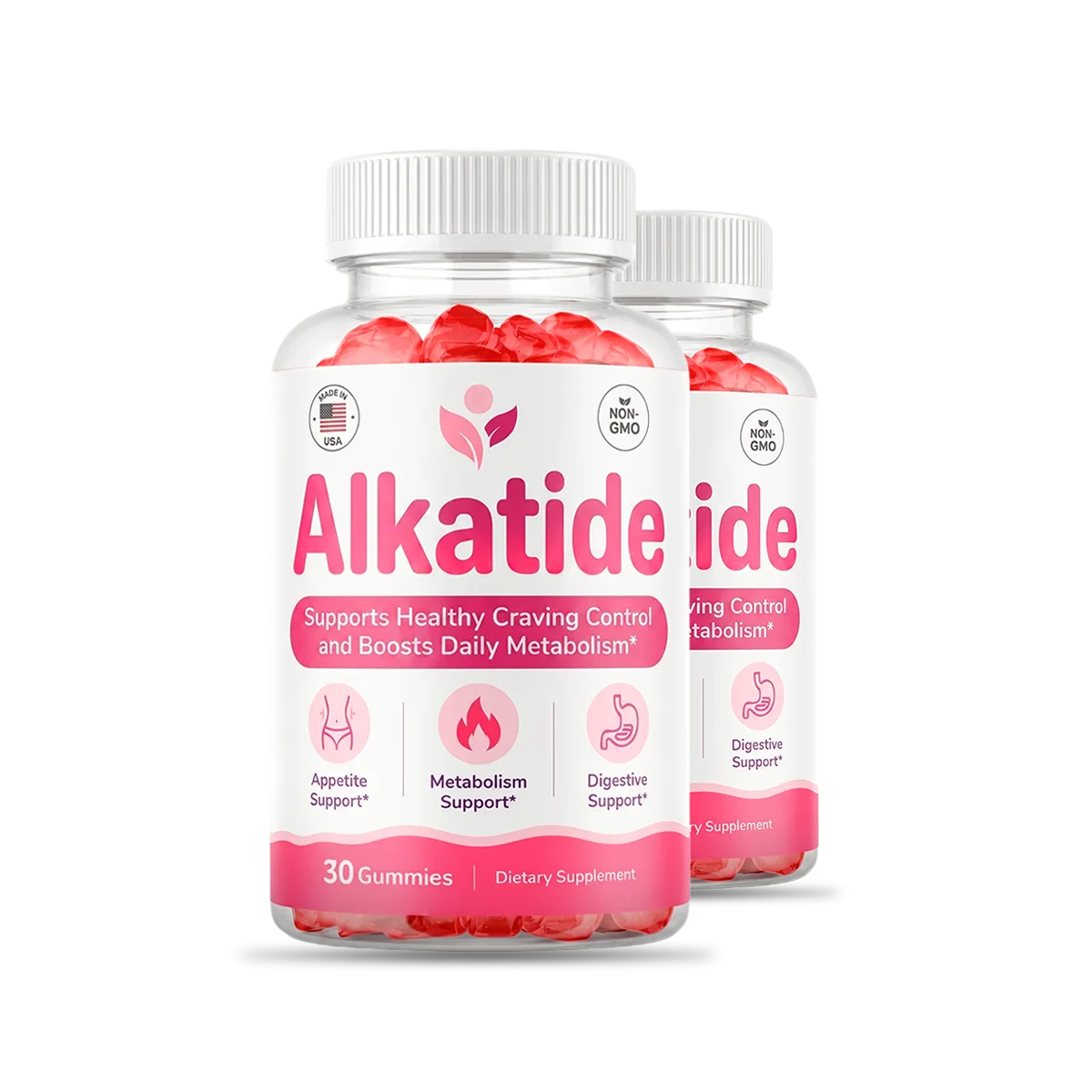
A four-to-twelve-week plan lives or dies on consistency, and a pre-measured gummy is far easier to keep up than a sour daily shot. If a routine you will actually stick to is what you need, the current AlkaTide bundles, shipping terms and refund window live on the official store.
See AlkaTide Bundles & PricingWhy consistency beats intensity
The most tempting mistake, once you accept the timeline, is to try to speed it up by taking more. This does not work, and it can backfire. The studied effect came from one to two tablespoons a day, not four. Doubling the dose does not double the result; it just doubles the acid load, raising your risk of reflux, throat irritation and enamel erosion without any evidence of extra benefit. There is a ceiling to what vinegar does, and it is a low ceiling.
What actually moves the needle over twelve weeks is not taking a big dose occasionally — it is taking a small dose every single day. A person who takes one tablespoon daily for twelve weeks will out-perform a person who takes three tablespoons twice a week and forgets the rest. That is why the format you choose matters so much: whatever you will genuinely repeat, day after day, is the "best" version for you. A gummy or capsule you take without thinking often beats a liquid you dread and skip. And if you are considering an evening routine specifically, read why we advise against the popular ritual in our piece on apple cider vinegar before bed for weight loss before you build the habit around bedtime.
Why apple cider vinegar might not be working for you
If you have been consistent and still see nothing, there are three usual culprits — and they are fixable.
1. Not enough time. This is the big one. If you are three weeks in, you are simply early. Give it the full eight to twelve weeks before drawing any conclusion, and judge it on a weekly average, not a single reading.
2. Not enough acetic acid. If you are using capsules or gummies, the dose may be far below a studied tablespoon. Many products list "apple cider vinegar powder" in milligrams, which is not the same as milligrams of acetic acid — the acid is often only a small fraction of the powder. If the label does not state an acetic acid figure, you genuinely may not be getting a study-level dose.
3. No calorie deficit. This is the deal-breaker. Vinegar supports a diet; it cannot override one. If your overall intake matches or exceeds what you burn, no supplement will produce weight loss, because the arithmetic of energy balance is doing the opposite. Vinegar can make a modest deficit slightly easier to maintain by taking the edge off appetite — but there has to be a deficit for it to support.
AlkaTide is a daily habit, not an overnight fix
We will be straight with you, because that is the point of this site. AlkaTide is an apple-cider-vinegar gummy, and no gummy is going to give you an overnight result — nothing in this category does, and anything that promises one is selling a fantasy. What a gummy is good at is the thing the timeline demands most: showing up every day for twelve weeks. It is easy to take, kind to your teeth, and removes the "ugh, the shot" friction that ends so many liquid-vinegar routines in week two.
Like most of the category, AlkaTide's manufacturer has not published a milligram figure for its acetic acid, and we say so rather than dress it up. What it offers is a repeatable daily habit at a sensible pace, which is exactly what the research says the benefit requires. If you want an independent look at the formula and what its label does and does not disclose before you commit to a twelve-week run, start with our AlkaTide review.
Medical note: this article is general information, not medical advice. Apple cider vinegar can lower blood sugar and slow stomach emptying, which matters if you have diabetes, reflux or gastroparesis, or take insulin or diuretics. Speak to a qualified healthcare professional before adding it, especially alongside prescription medication.
Frequently asked questions
How long until apple cider vinegar helps you lose weight?
Expect 4 to 12 weeks of consistent daily use before you see a change on the scale. The most-cited trial ran for 12 weeks and the effect built gradually across it. There is no overnight or first-week result; vinegar is a slow, modest nudge that needs weeks of consistency to show up.
How much weight can you lose with ACV in a month?
Realistically very little from the vinegar alone. In the 12-week study the total loss was roughly 2.6 to 3.7 pounds over three months, so a single month is a fraction of a pound to about one pound attributable to the vinegar. Most of any faster loss comes from the diet changes you make alongside it.
How many times a day should you take ACV?
Once or twice a day is the studied pattern: 1 to 2 tablespoons total, always diluted in water and taken just before your largest meals. Splitting the dose across two meals is gentler on the stomach than one large dose. Taking it more often does not speed up results and raises the acid load.
Why is apple cider vinegar not working for me?
The three usual reasons are time, dose and diet. You may not have given it the full 4 to 12 weeks, your capsule or gummy may contain far less acetic acid than a studied tablespoon, or you have not paired it with a modest calorie deficit. Vinegar supports a diet; it cannot replace one.
Scientific references
Related reading
Apple cider vinegar dosage for weight loss
The studied 1–2 tbsp dose, timing around meals, and how capsules and gummies compare.
Read the article →
Timing MythApple cider vinegar before bed for weight loss
Why the overnight-fat-burning ritual is a myth — and the reflux and enamel risks it carries.
Read the article →
MechanismHow acetic acid targets stubborn belly fat
The AMPK, gastric-emptying and blood-sugar story behind the effect — and its limits.
Read the article →
ReviewAlkaTide reviews: does it actually work?
An independent look at the AlkaTide gummy, its three ingredients, and what the label discloses.
Read the article →

Give the timeline a fair 12 weeks
The single biggest reason ACV "doesn't work" is quitting before it can. A multi-bottle bundle keeps you supplied through the full window. The official AlkaTide store has the current bundles, shipping terms and money-back window in one place.
Go to the Official AlkaTide Store