Berberine Dosage for Weight Loss: Full Guide
What Is the Right Berberine Dosage for Weight Loss?
The studied dose is 500 mg two to three times a day, totalling about 1,000 to 1,500 mg, always with meals. Split dosing is the key: it matches berberine's short half-life and sharply reduces the stomach upset most people quit over. Expect a modest 2-5 lb change across roughly 12 weeks inside a calorie deficit.
- Standard dose — 500 mg, two to three times daily, taken with food.
- Split it up — spreading doses across meals cuts cramping and diarrhoea dramatically.
- Mind your meds — berberine lowers blood sugar and interacts with metformin, statins and cyclosporine.

Search interest in berberine for weight loss exploded once it earned the nickname "nature's Ozempic," and with the hype came a wave of confusion about how to actually take it. Too little and you feel nothing; too much at once and you spend the afternoon regretting it. This guide fixes that. It covers the evidence-based berberine dosage, the timing that makes or breaks tolerability, the side effects and drug interactions you genuinely need to respect, and the realistic results you should expect — plus a gentler, stomach-friendlier route for people who find berberine hard to stomach.
A quick, honest frame before the numbers: berberine is a legitimate plant compound with real metabolic effects, but it is a modest tool, not a miracle. Getting the dosing right will not turn it into a drug. It will, however, mean you actually get the small benefit it can offer instead of quitting in week two because your gut rebelled.
How much berberine should you take for weight loss?
The dose that runs through nearly all the research is 500 mg taken two to three times daily, which lands you at a total of roughly 1,000 to 1,500 mg per day. That total is the sweet spot the studies used, and there is little reason to chase more — higher amounts mostly buy you side effects, not results. The single most important instruction is that the daily total is split, never taken as one big 1,500 mg dose. Berberine has a short half-life, so spacing keeps a more useful level in your system across the day, and it is far kinder to your digestion.
If you are new to it, ramp up rather than diving in. A sensible on-ramp is 500 mg once daily with your largest meal for the first five to seven days, then adding a second 500 mg dose, and finally a third if you tolerate the first two well and are aiming for the top of the range. This slow build is the difference between a supplement you keep taking and one you abandon after three unpleasant days.
| Phase | Berberine dose | How to take it |
|---|---|---|
| Days 1-7 (start low) | 500 mg once daily | With your largest meal |
| Week 2 (build) | 500 mg twice daily | With lunch and dinner |
| Week 3+ (full range) | 500 mg three times daily | With each main meal, if tolerated |
| Daily total | 1,000-1,500 mg | Always split, always with food |
Timing: why split dosing with meals matters
Timing is not a detail with berberine — it is half the strategy. Take it with or just before meals, because that is when it can do the most useful work and cause the least trouble. Mechanistically, berberine acts on blood sugar and insulin signalling by activating an energy sensor called AMPK, so dosing it around the meals that spike your glucose the most (usually lunch and dinner) is where the logic points. Taking it on an empty stomach, by contrast, is the fastest way to trigger the cramping and diarrhoea that give the supplement its rough reputation.
There is a second reason meals matter: food slows and buffers absorption, smoothing out the digestive hit. If you have ever taken a big single dose of anything and felt your gut protest, you already understand the principle. With berberine, the fix is boring but reliable — smaller doses, with food, spread through the day.
What results to realistically expect
This is where honesty separates a useful guide from a sales pitch. In the trials that exist, berberine's weight effect is real but small — often on the order of 2 to 5 pounds across a 12-week study, and only alongside a calorie deficit. Its blood-sugar and insulin effects tend to be more consistent than its scale effects, which is why it draws interest for metabolic health beyond weight alone. If you came expecting the double-digit percentages you have seen quoted for prescription GLP-1 drugs, recalibrate now: those medicines reach roughly 15 to 21 percent body-weight loss, and berberine simply does not play in that league.
Patience is part of the protocol. Give it a full 8 to 12 weeks of consistent, split dosing before you decide whether it is doing anything, and track a couple of markers other than the scale — waist measurement, energy, cravings — because those sometimes move first. Treat berberine as a modest assist to a good diet, and you will use it well. Treat it as the engine, and you will be disappointed. For the wider context on why the "nature's Ozempic" label overpromises, our guide to natural Ozempic alternatives that actually work puts the numbers side by side.
Berberine upsetting your stomach? Consider the gentler route.
AlkaTide contains no berberine — it is a stimulant-free apple cider vinegar gummy with acetic acid and pectin fibre, an easier daily habit for people whose digestion cannot handle berberine. The official store lists the current bundles, shipping and refund terms.
Check the Official AlkaTide StoreSide effects and how to manage them
Berberine's side effects are overwhelmingly digestive, and they are the main reason people quit. Cramping, diarrhoea, constipation, gas and general stomach upset are all common, particularly in the first couple of weeks or at higher single doses. The good news is that most of this is manageable with the same two levers already covered: split the dose and always take it with food. If your gut still protests, drop back to the last dose you tolerated, hold there for a week, and rebuild more slowly. There is no prize for rushing to 1,500 mg.
A quality note that rarely gets mentioned: berberine supplements vary widely, and some contain far less active compound than the label implies. If a product gives you zero side effects and zero results, an underdosed or low-quality capsule is a real possibility. Look for third-party testing, and be wary of "proprietary blends" that hide how much berberine you are actually getting per serving.
Berberine drug interactions you must know
This is the section to read twice, because berberine is more pharmacologically active than most supplements and its interactions are not trivial. Because it lowers blood sugar, combining it with glucose-lowering medication such as metformin or insulin can push you toward hypoglycaemia, and it can also affect how metformin is absorbed. Berberine inhibits a liver enzyme system (CYP3A4) that metabolises many drugs, which means it can raise blood levels of statins, the immunosuppressant cyclosporine, certain blood thinners and a long list of other medications, potentially amplifying their effects or side effects.
It is also not recommended during pregnancy or breastfeeding. The practical rule is simple: if you take any prescription medication, have diabetes, or have a liver or kidney condition, talk to your doctor or pharmacist before starting berberine, and do not stack it with other supplements blindly. This is not fear-mongering — it is the same caution the compound's real potency earns. A supplement worth taking seriously is a supplement worth checking for interactions.
Berberine vs the gentler acetic-acid route
If the side effects or the interaction list have you hesitating, it is worth knowing there is a milder lane aimed at broadly similar goals. This is where we are honest about the product this site covers: AlkaTide is not a berberine supplement. It contains no berberine at all. It is an apple cider vinegar gummy built on three named ingredients — apple cider vinegar (acetic acid), citric acid and pectin, a soluble fibre. We are telling you that plainly precisely because so much marketing blurs these ingredients together.
The reason it belongs in this conversation is tolerability. Both berberine and acetic acid show up in the blood-sugar and appetite literature, but they work through different mechanisms and carry very different side-effect profiles. For someone whose digestion simply cannot handle berberine's cramping, or who wants a stimulant-free once-daily gummy rather than three capsules with meals, the acetic-acid-and-fibre route is a gentler alternative. It is also, honestly, a weaker one — the effects are small and food-level, and the manufacturer publishes no milligram figure. Our head-to-head on berberine versus apple cider vinegar for weight loss lays out exactly how the two compare on mechanism and evidence, so you can pick the lane that fits your body rather than the one with the loudest nickname.
Medical note: general information only, not medical advice, and not a dosing prescription for any individual. Berberine can lower blood sugar and interacts with several common medications. If you take metformin, insulin, statins, cyclosporine, blood thinners or any prescription drug, have a medical condition, or are pregnant or nursing, consult a qualified clinician before starting berberine.
Frequently asked questions
How much berberine should I take for weight loss?
The dose used in most studies is 500 mg taken two to three times a day, for a total of roughly 1,000 to 1,500 mg daily, always with food. Splitting the dose across meals is important because berberine has a short half-life and a single large dose is far more likely to upset your stomach. Many people start at 500 mg once daily for a week, then build up, and no one should exceed 1,500 mg a day without medical supervision.
When is the best time to take berberine?
Take berberine with or just before meals, spread across the day rather than all at once. Because it acts on blood sugar and insulin signalling, dosing it around the meals that raise your glucose the most, typically lunch and dinner, makes mechanistic sense. Taking it with food also cushions the digestive tract and reduces the cramping and diarrhoea that catch people out when they swallow a large dose on an empty stomach.
What are the side effects of berberine?
The most common side effects are digestive: cramping, diarrhoea, constipation, gas and stomach upset, especially early on or at higher single doses. Splitting the dose and taking it with meals reduces most of this. Berberine can also lower blood sugar, so anyone on glucose-lowering medication should watch for hypoglycaemia. It is not recommended during pregnancy or breastfeeding, and it can interact with several common medications, so a doctor's check is wise before starting.
How long does berberine take to work for weight loss?
Give it about 8 to 12 weeks of consistent, split dosing alongside a calorie deficit before you judge it. Blood-sugar effects can appear within a few weeks, but weight change is slow and modest, often only around 2 to 5 pounds across a 12-week study period. Berberine is a gentle nudge, not a rapid fat burner, so consistency and diet do far more of the work than the supplement alone.
Related reading
Scientific references
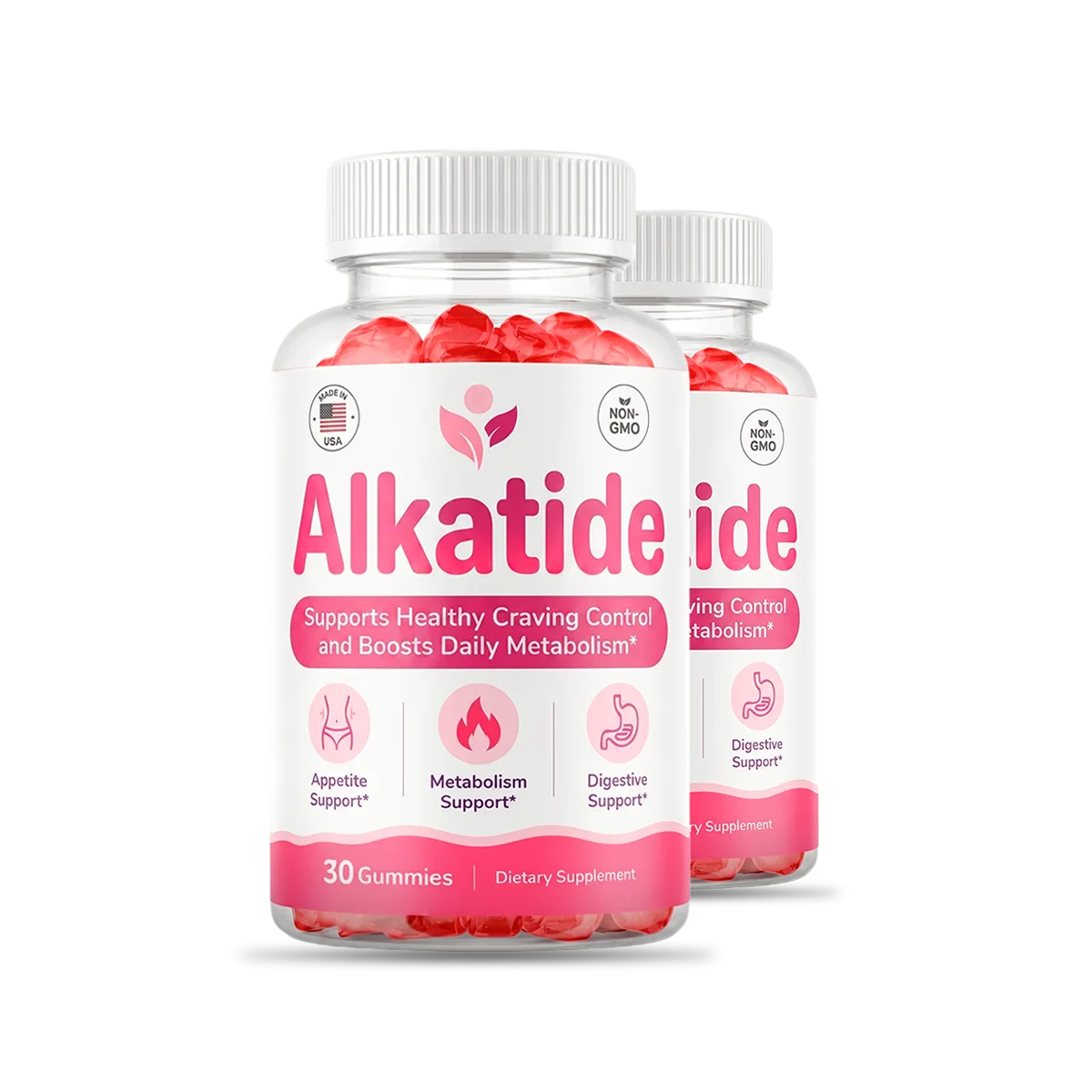
Prefer a gentler daily habit than berberine capsules?
AlkaTide is not berberine — it is a stimulant-free apple cider vinegar gummy for people who want an easy, once-daily appetite-support routine without the cramping. Current bundles, shipping terms and the money-back window are published on the official store page.
Go to the Official Store