Berberine for Weight Loss vs Apple Cider Vinegar: Which Wins?
Quick Answer: Berberine or Apple Cider Vinegar?
Searches for berberine for weight loss have exploded, but is it better than apple cider vinegar? Both deliver a modest few pounds, not a dramatic drop. Berberine acts on the AMPK metabolic switch and edges ahead in trial data; apple cider vinegar works through acetic acid slowing digestion, and is gentler for everyday long-term use.
- Berberine: ~2–5 lb over 12 weeks at 500 mg two to three times daily; stronger data, more drug interactions.
- Apple cider vinegar: similar modest effect via acetic acid; gentler, easier to sustain daily.
- Neither is Ozempic: both are mild helpers, not GLP-1 medications.

The “nature’s Ozempic” hype, and what is really being compared
Berberine went viral as “nature’s Ozempic,” a nickname that did wonders for supplement sales and almost nothing for accuracy. It set up a strange contest: a plant alkaloid with a real but modest research base, marketed as if it belonged in the same conversation as a potent prescription injection. Apple cider vinegar, the older and humbler option, got pulled into the same ring by people asking which cheap, natural option is actually worth taking.
Let us set the terms fairly. Neither berberine nor apple cider vinegar is a GLP-1 drug, and neither produces anything close to the double-digit weight loss those medications can. What they are is two mild metabolic tools with different mechanisms, similar modest effect sizes, and different day-to-day trade-offs. The real question is not “which one melts fat” but “which one earns a place in your routine” — and the answer depends as much on tolerability as on trial numbers.
Berberine for weight loss: how it actually works
Berberine is a bright-yellow compound extracted from plants like goldenseal and barberry, used for centuries in traditional medicine and studied more recently for blood sugar and lipids. Its headline mechanism for weight management is activation of AMP-activated protein kinase, or AMPK — often called the body’s metabolic master switch. When AMPK is switched on, cells behave as if energy is scarce: they burn glucose and fat for fuel rather than storing it, and insulin sensitivity tends to improve.
What does that buy on the scale? In controlled trials, typically dosed at 500 mg taken two to three times daily with meals, berberine has been associated with roughly two to five pounds of weight loss over about twelve weeks, along with improvements in fasting glucose and cholesterol. That is a genuine, replicated signal — and it is also, plainly, modest. Berberine works from the inside of the cell outward, which is what makes it interesting, but it is not a shortcut around diet. Its practical downsides are a short half-life (hence the multiple daily doses), frequent digestive upset early on, and a notable list of drug interactions, because it inhibits some of the same liver enzymes that metabolise common medications.
Apple cider vinegar: the acetic-acid route
Apple cider vinegar reaches a similar destination by a completely different road. Its active ingredient is acetic acid, and its effect is mechanical and metabolic rather than gene-signalling. Acetic acid slows the rate at which the stomach empties, so a meal keeps you full for longer, and it blunts the sharp rise in blood glucose after a carbohydrate-heavy meal — lowering the effective glycaemic load of what you just ate. Steadier blood sugar means fewer of the crashes that drive early cravings.
The trial picture mirrors berberine’s in magnitude: a 2025 meta-analysis of 14 randomised trials tied daily vinegar to significant but modest reductions in body weight, BMI and waist circumference, always alongside a controlled diet. Where ACV differs is livability. It has no meaningful drug-interaction profile of berberine’s complexity, its effects are gentle, and it slots into a normal day without a three-times-daily schedule. Getting the amount right matters, though, which is why we keep a dedicated guide to the apple cider vinegar dosage the research actually uses. And because acetic acid feeds into gut fermentation, it connects to the same satiety-hormone story we cover in how gut bacteria nudge your body’s own GLP-1.
Prefer the gentler daily option?
If you want the acetic-acid route without a multi-dose schedule or vinegar on your teeth, a once-daily ACV gummy is the practical version. The current bundles and refund terms are on the official store.
See the Official Alkatide StoreHead to head: effect size, speed and daily livability
Laid side by side, the two look less like rivals and more like two doors into the same modest room. Berberine has the slightly stronger paper trail and a metabolic mechanism that appeals to the biohacker crowd. ACV has the easier lifestyle fit and a cleaner safety story. Here is the honest comparison.
| Factor | Berberine | Apple cider vinegar |
|---|---|---|
| Main mechanism | Activates AMPK, the cellular energy switch | Acetic acid slows gastric emptying, lowers glycaemic load |
| Typical dose in studies | 500 mg, 2–3× daily with meals | ~1–2 tbsp in water before meals (or a gummy equivalent) |
| Realistic weight effect | ~2–5 lb over 12 weeks | ~2–5 lb over 8–12 weeks, with diet |
| Daily schedule | Multiple doses (short half-life) | Once or before main meals |
| Common side effects | Cramping, diarrhoea, constipation early on | Enamel wear, throat irritation (liquid); mild reflux |
| Drug interactions | Notable — affects drug-metabolising enzymes | Limited — mainly blood sugar and potassium |
| Best suited to | Short, targeted metabolic support runs | Gentle, sustainable long-term daily use |
The pattern is clear: berberine may edge the numbers, ACV wins on livability. For a category where adherence over months is the thing that actually moves the scale, that livability advantage matters more than a fraction of a pound in a twelve-week study.
Can you take berberine and ACV together?
Because they act through separate mechanisms — berberine on AMPK inside the cell, vinegar on digestion and blood sugar in the gut — there is no inherent conflict, and some stacks deliberately combine the two, often with a probiotic to round out the gut angle. In principle their effects could be complementary rather than redundant. That is the logic behind blend formulas that pair an ACV base with additional metabolic and digestive ingredients.
The sensible cautions are practical, not alarming. Both berberine and acetic acid can lower blood sugar, so stacking them while on diabetes medication needs clinician oversight to avoid dipping too low. Berberine’s interaction profile is the bigger variable, so anyone on prescription medicine should review it with a pharmacist before adding it to anything. And the smart way to start any combination is one ingredient at a time, so that if something disagrees with you, you know exactly what to blame. If you would rather keep it simple, our roundup of the best natural weight-loss supplements for 2026 compares the single-ingredient and blended options side by side.
Side effects: where ACV pulls ahead
This is the section that decides most real-world choices. Berberine’s side effects are predominantly digestive — cramping, loose stools or constipation, particularly in the first couple of weeks as your gut adjusts — and its real complication is pharmacological. By affecting the CYP enzymes and transporters that process many drugs, berberine can raise or lower the levels of medications you are already taking, which is why it carries more caveats than most plant supplements.
Apple cider vinegar’s problems are simpler and mostly about acidity. Sipped as a liquid, it can erode tooth enamel and irritate the throat and oesophagus, and it can aggravate reflux in people prone to it. The neat thing is that a gummy or capsule format sidesteps most of that: the acetic acid is delivered without bathing your teeth in acid. For someone who wants a metabolic helper they can take for six months without a second thought, ACV — especially in a non-liquid format — is the lower-friction choice. It also pairs naturally with the broader toolkit we describe in food-based appetite suppressants that actually work.
So which wins? Our honest verdict
If you want the single strongest number on paper for a short, focused run — and you have checked your medications for interactions — berberine has a slight edge. If you want something gentle enough to take every day for months, that fits into a normal routine and carries a cleaner safety story, apple cider vinegar wins the practical contest, which is the one that actually determines results. For most people asking this question, the honest recommendation is the sustainable option, because the best supplement is the one you will still be taking in week ten.
That is exactly why our own coverage centres on the ACV route: it is the modest tool people are most likely to stick with. Just keep the expectations honest. Neither of these is a drug, neither targets belly fat specifically, and neither replaces the diet doing the real work. Used as a small, consistent nudge on top of that, either one is defensible — and for daily long-term use, ACV is the one we reach for.
Medical note: general information only, not medical advice. Neither berberine nor apple cider vinegar is a treatment for any disease. Speak to a qualified healthcare professional before starting either — particularly if you are pregnant or nursing, managing diabetes, taking prescription medication, or living with a diagnosed condition.
Related reading
Frequently asked questions
Is berberine or apple cider vinegar better for weight loss?
Neither is a knockout, and the honest answer is that they are close. Berberine has slightly stronger weight-loss trial data, with studies at 500 mg two to three times daily showing roughly two to five pounds of loss over twelve weeks by acting on the AMPK metabolic pathway. Apple cider vinegar produces a similar modest effect through acetic acid slowing digestion and lowering the glycaemic load of a meal. Berberine may edge it on paper; ACV is gentler for long-term daily use.
Can you take berberine and ACV together?
There is no known dangerous interaction between them, and because they work through different mechanisms, berberine on AMPK and vinegar on gastric emptying and blood sugar, some stacks deliberately combine the two, often with a probiotic. The main caution is that both can lower blood sugar, so anyone on diabetes medication should be monitored by a clinician to avoid going too low. Start one at a time so you can tell what is doing what.
Is berberine really nature's Ozempic?
It is a catchy nickname, not an accurate one. Ozempic and similar drugs are potent GLP-1 medications that produce large, clinically supervised weight loss. Berberine is a plant compound with a modest effect, a few pounds over several weeks, working mainly through AMPK rather than the GLP-1 pathway. Calling it nature's Ozempic oversells it. It is a mild metabolic helper, not a substitute for a prescription medicine.
Which has fewer side effects, berberine or ACV?
Both are generally well tolerated, but their side effects differ. Berberine's are mostly digestive, such as cramping, diarrhoea or constipation, especially early on, and it can interact with a long list of medications because it affects drug-metabolising enzymes. Apple cider vinegar's issues are its acidity: enamel wear and throat irritation from the liquid, largely avoided in gummy form. For gentle, long-term daily use, ACV tends to be the easier of the two to live with.
Scientific references
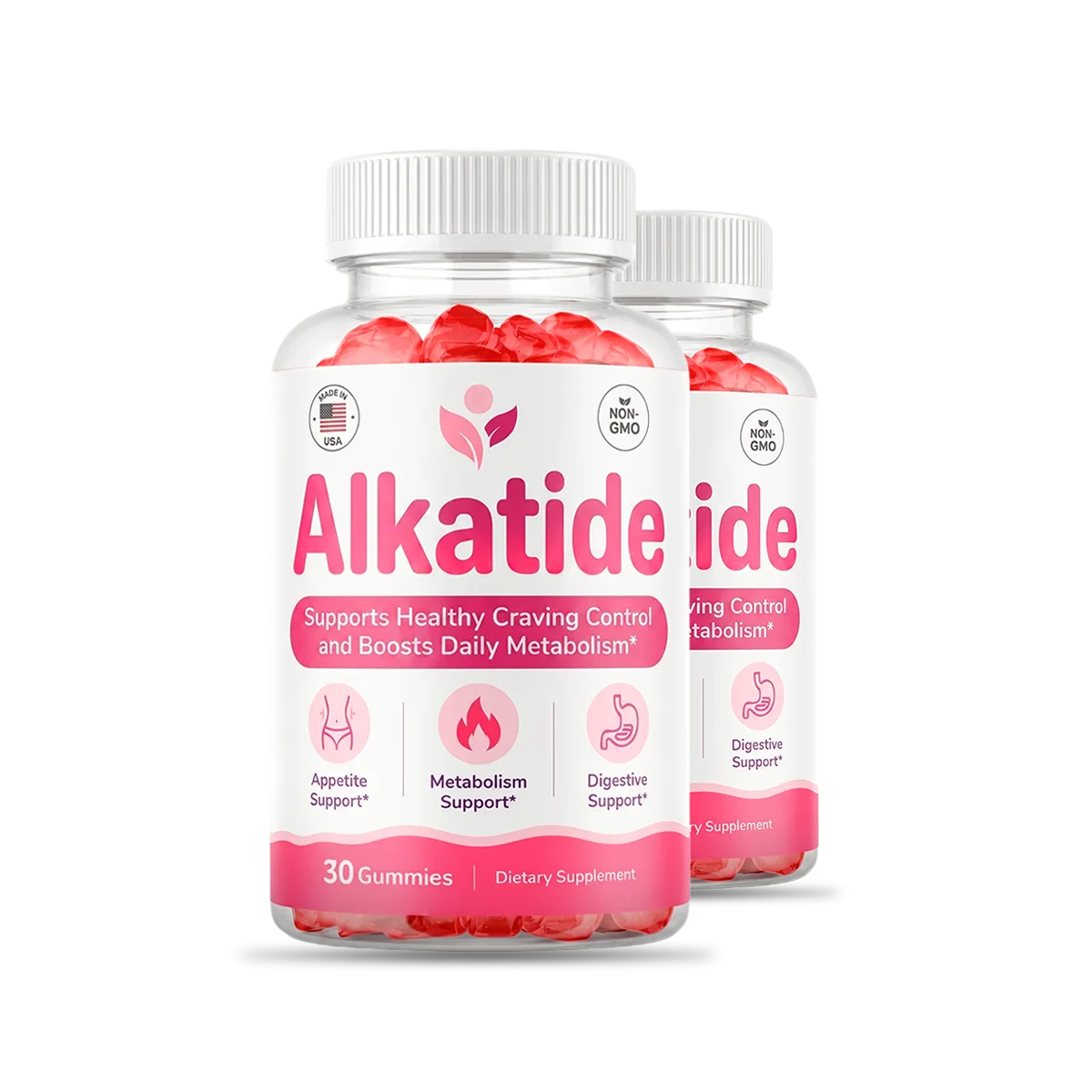
Going with the gentler daily option?
If apple cider vinegar is the route you can actually sustain, a once-daily gummy makes it effortless. Check the current bundles, shipping terms and refund window on the official Alkatide store.
Go to the Official Store