Over the Counter Weight Loss Pills That Actually Work in 2026
Quick Answer: Do Over the Counter Weight Loss Pills Actually Work?
Over the counter weight loss pills produce modest results, not prescription-level ones. Alli is the only FDA-approved OTC weight loss drug, adding roughly 3 to 5 pounds of loss a year. Natural options like apple cider vinegar and berberine help less but carry fewer side effects, and work best as support for a real diet rather than a replacement for one.
- What is proven: Alli (orlistat) blocks about 25% of dietary fat — the only OTC option with FDA approval.
- What is gentler: apple cider vinegar and berberine give smaller, slower results with fewer side effects.
- What matters most: no pill out-works a poor diet; adherence beats potency every single time.

Why “over the counter weight loss pills” is the most confusing aisle in the store
Search “over the counter weight loss pills” and you will drown in options — fat burners, carb blockers, metabolism boosters and appetite tamers, almost all promising the scale will melt on its own. The honest truth is narrower and far more useful: over the counter weight loss pills can help, but only modestly, and only a handful have real evidence behind them. This 2026 guide ranks what actually works, sets your expectations against prescription results so you are not disappointed, and shows where a stimulant-free, gut-first option like Alkatide fits as a support tool rather than a miracle drug.
The confusion is baked into the category. In the United States, the phrase “over the counter” covers two completely different kinds of product that happen to share a shelf. One is an actual approved drug you can buy without a prescription. The other is a dietary supplement, which is regulated as a food, not a medicine, and is sold without the FDA reviewing it for weight loss before it reaches you. Both sit next to each other with confident packaging, and the marketing rarely tells you which is which. Once you can separate the two, the whole aisle gets simpler.
The only FDA-approved OTC weight loss drug: Alli (orlistat)
Start with the one product that clears the highest bar. Alli is a half-strength version of the prescription drug orlistat, and as of 2026 it is the only weight loss drug the FDA has approved for over-the-counter sale. That approval is not a marketing badge — it means the compound went through the same drug-review process as a prescription medicine and demonstrated a real, measurable effect on body weight.
Here is how it works and, just as important, what it does not do. Orlistat blocks the enzyme that digests dietary fat, so roughly a quarter of the fat you eat passes through undigested rather than being absorbed as calories. In practice that translates into about three to five extra pounds of loss over a year compared with diet alone. That is a genuine effect, but it is not dramatic, and it comes with a famous catch: the unabsorbed fat has to go somewhere, and the digestive side effects (urgency, oily stools, gas) are the price of admission, especially if you keep eating fatty meals. Alli rewards a low-fat diet and punishes a high-fat one. It is proof that even the strongest OTC option is a lever on your diet, not a substitute for it.
Where the natural contenders really land: ACV, berberine and fiber
Below the one approved drug sits the enormous world of supplements, and this is where honesty matters most because the marketing is loudest here. Three ingredients have enough human data to be worth discussing seriously.
Apple cider vinegar is the gentlest of the group and the one this site knows best. Its active molecule, acetic acid, slows how fast your stomach empties and softens the blood-sugar spike after a starchy meal, which prolongs fullness. Controlled trials have reported roughly two to four pounds of loss over about twelve weeks when vinegar is taken before meals alongside a controlled diet. Small, yes — but real, side-effect-light, and repeatable. Berberine, a plant compound that has earned the nickname “nature’s metabolic helper,” shows around one to three percent of body-weight reduction in studies, though it can interact with diabetes and blood-pressure medication and upsets some stomachs. Soluble fiber such as glucomannan or pectin is the quiet workhorse: it swells in water, adds fullness, and helps you eat less without any stimulant load. None of these rival a drug, but stacked into a daily habit they nudge the same appetite and blood-sugar levers in the same direction. If you want the deeper head-to-head, we compare the two most-hyped options in our breakdown of berberine versus apple cider vinegar for weight loss.

The prescription reality check: Wegovy and Zepbound
You cannot rank over the counter weight loss pills honestly without naming what sits above them, because that comparison is exactly what protects you from disappointment. The GLP-1 injections have redrawn the whole field. In their major trials, Wegovy (semaglutide) produced average weight loss of about 14.9 percent of body weight, and Zepbound (tirzepatide) reached roughly 21 percent. Those are prescription drugs, taken under medical supervision, with their own costs and side effects — but the numbers make the ceiling clear.
Put the categories side by side and the picture is honest and useful. A prescription injection can deliver double-digit percentage loss. The best OTC drug, Alli, adds a few pounds a year. The best OTC supplements add a little on top of a good diet. Anyone selling you a pill off the shelf that promises injection-level results is selling the fantasy, not the mechanism. Knowing that gap up front is what lets you choose an OTC option for what it genuinely is: an affordable, low-risk assist you control yourself.
Want a stimulant-free OTC option you can actually stick with?
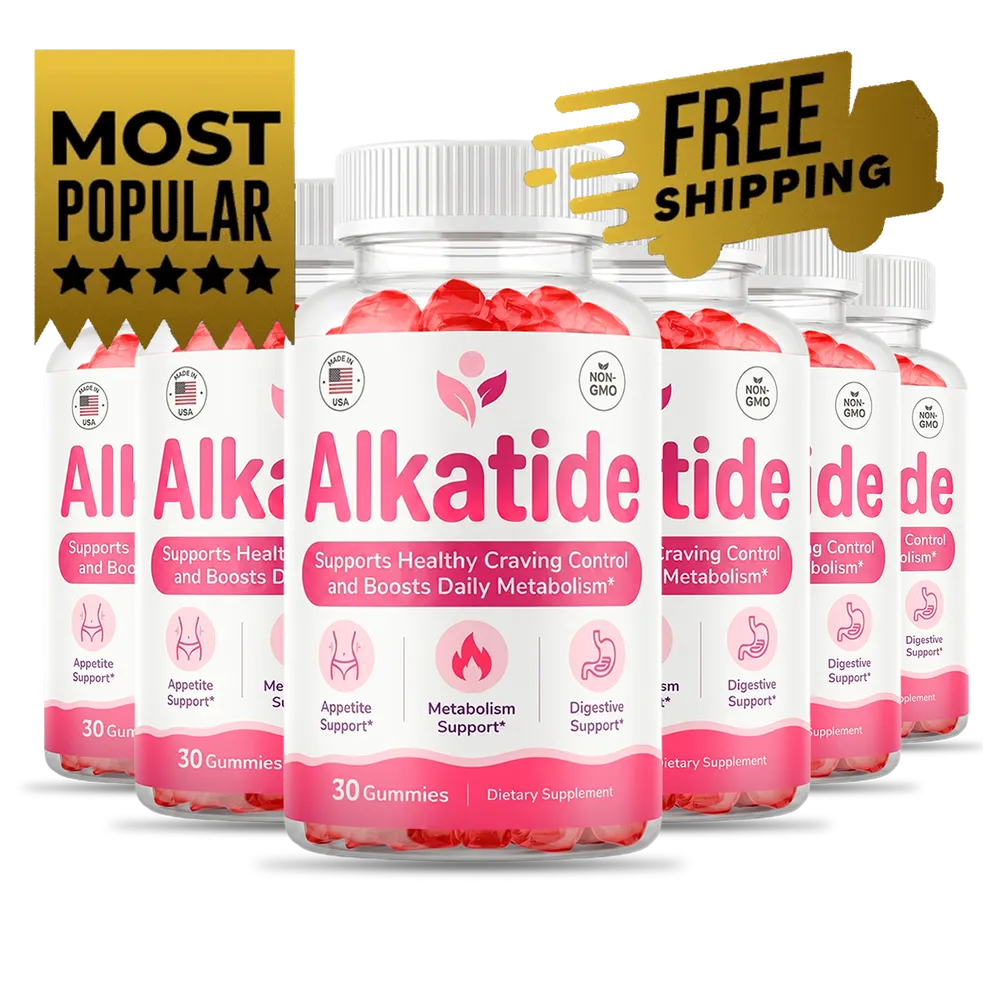
If you have decided a gentle, daily, gut-first approach fits you better than a stimulant fat burner, Alkatide packs the apple-cider-vinegar mechanism into one gummy a day. See the current bundles and the money-back window on the official store.
See the Official Alkatide StoreWhere Alkatide fits: a gut-first, stimulant-free support tool
With the hierarchy clear, here is the honest placement for Alkatide. It is not an approved drug and it does not pretend to be. It is a once-daily apple-cider-vinegar gummy built around the acetic-acid mechanism above: slower gastric emptying, a flatter post-meal glucose curve, and a gut-friendly base that many formulas in this niche pair with soluble fiber and a spore-forming probiotic. Crucially, it is stimulant-free — there is no caffeine spike, no jitters and no crash, which is precisely why it is something you can take for months rather than days.
That positioning is the whole point. If you are choosing among over the counter weight loss pills and you want the appetite and blood-sugar benefits of vinegar without drinking it neat and wearing down your enamel, a gummy is the realistic delivery method. It slots in as support alongside the diet that does the real work — not as the engine of your results. For a clear-eyed verdict on the product itself, including what the label does and does not disclose, read our full Alkatide review of whether it actually works before you buy.
Myth #1: “If it is not a drug, it must be a placebo”
This is the most common objection, and it is half right. Plenty of supplements are indeed hope in a bottle. But “not an approved drug” is not the same as “does nothing.” Acetic acid measurably slows gastric emptying; soluble fiber measurably adds fullness and feeds the gut bacteria that help release your own satiety hormones. The effect sizes are small, but the mechanisms are physical and repeatable, not psychological. The right mental model is a nudge, not a switch. A nudge, applied every day for months alongside a controlled diet, adds up — which is exactly how the modest numbers in the vinegar trials were earned.
Myth #2: “I should just buy the strongest one”
The instinct to reach for the “maximum strength” fat burner is understandable and usually a mistake. In the supplement aisle, “strong” almost always means “heavily stimulant-loaded” — big doses of caffeine and related compounds that curb hunger by revving your nervous system. That racing, wired feeling is not evidence the product is working; it is your cardiovascular system absorbing a stimulant load, and it brings a faster heart rate, higher blood pressure, poor sleep and a hard crash. Tolerance also builds fast, so the effect fades in weeks. If a raised pulse is your main sign a pill is “doing something,” that is the red flag to put it back. A gentle daily mechanism you can sustain will out-perform an aggressive one you quit. If appetite is your real battle, our guide to a natural appetite suppressant that actually works covers the non-stimulant options in depth.

How to actually choose an over the counter weight loss pill
Use a short, unglamorous checklist and you will avoid almost every bad purchase. First, decide whether you want the approved drug (Alli) and can live with its digestive trade-offs, or a gentler supplement route. Second, read the Supplement Facts panel, not the front of the box: a real product lists ingredients with milligram amounts, so you can compare its doses against the ones used in studies. A “proprietary blend” that hides individual doses is a reason for caution, not excitement. Third, screen for stimulants if you are sensitive to caffeine, have high blood pressure, or value your sleep. Fourth, check for a genuine refund window — a company confident in its product gives you time to test it. Fifth, and most important, be honest that the pill is the smallest lever in the room. The plate, the protein, the fiber and the daily walk do the heavy lifting; the supplement shaves the edge off hunger so the sensible choices feel easier.
Honest limits: what no OTC pill will do
Every product in this article shares the same ceiling, so let us name it plainly. No over the counter weight loss pill — approved drug or supplement — will out-run a calorie surplus, target belly fat specifically, or treat, cure or prevent any medical condition. The body decides where fat comes off, and only a sustained calorie deficit moves the scale and the waistline over time. What the right OTC option can do is make that deficit a little easier to hold: less hunger, steadier energy, fewer late-afternoon cravings. Expect compounding, modest help rather than a transformation, and you will be a satisfied customer instead of a disappointed one. Used with clear eyes, that modest help is still worth having on your side.
Medical note: general information only, not medical advice. A dietary supplement is not a treatment for obesity or any disease. Speak to a qualified healthcare professional before starting any supplement — particularly if you are pregnant or nursing, managing diabetes, taking prescription medication, or living with a diagnosed condition.
Related reading
Frequently asked questions
What over the counter weight loss pill actually works?
The one with the strongest evidence is Alli (orlistat), the only over the counter weight loss pill approved by the FDA. It blocks about a quarter of the fat you eat and adds roughly three to five pounds of loss over a year when paired with a lower-fat diet. Natural options such as apple cider vinegar and berberine work more gently, with smaller effects but fewer side effects. None of them replace a calorie deficit.
Is Alli the only FDA-approved OTC weight loss pill?
Yes. As of 2026, Alli, a half-strength version of prescription orlistat, is the only weight loss drug the FDA has approved for over-the-counter sale. Every other product on the OTC shelf is a dietary supplement, not an approved drug, which means it is sold without the FDA reviewing it for weight loss before it reaches you. That is not the same as unsafe, but it does mean the evidence bar is lower and the claims should be read carefully.
Are natural weight loss pills safe to take daily?
For most healthy adults, gentle ingredients like apple cider vinegar, soluble fiber and berberine are considered safe for daily use, which is part of their appeal over stimulant fat burners. The usual cautions apply: acetic acid is acidic and can affect tooth enamel, berberine can interact with diabetes and blood-pressure medication, and fiber should be increased gradually with plenty of water. If you are pregnant, nursing or on prescription medicine, check with a clinician first.
How much weight can OTC pills realistically help you lose?
Set expectations low and you will not be disappointed. Alli adds about three to five pounds a year over diet alone; apple cider vinegar trials show roughly two to four pounds over twelve weeks; berberine studies report around one to three percent of body weight. Compare that with prescription injections like Wegovy at about 14.9 percent and Zepbound at roughly 21 percent, and the gap is clear. OTC pills are a nudge, not an engine.
Scientific references
Pick the gentle option you will actually keep taking
Over the counter weight loss pills only help if you stick with them. If a stimulant-free daily gummy fits your life, check the current bundles, shipping and refund window on the official Alkatide store.
Go to the Official Store