Appetite Suppressant Pills Over the Counter: The Honest Guide
Quick Answer: How Do Over the Counter Appetite Suppressant Pills Work?
An over the counter appetite suppressant works by physically prolonging fullness, not by stimulating you. Soluble fiber swells in your stomach, protein raises satiety hormones, and acetic acid from apple cider vinegar slows gastric emptying so a meal keeps you full longer. Caffeine can blunt hunger short term, but tolerance builds fast, which makes the gentle mechanisms more reliable.
- Fiber that fills you: glucomannan can swell up to ~50x its volume in water for physical fullness.
- Hormonal fullness: protein raises the satiety hormones GLP-1 and PYY that tell your brain the meal is over.
- The vinegar edge: acetic acid delays gastric emptying, so you feel full for longer after eating.

What an appetite suppressant really is (and what it is not)
An appetite suppressant is any tool that reduces how hungry you feel, so you eat less without feeling like you are fighting yourself all day. Over the counter, that phrase covers a huge range of products — from fiber capsules and protein powders to apple-cider-vinegar gummies and caffeine-loaded fat burners. They are not all the same, and understanding the difference is the whole point of this guide. The best over the counter appetite suppressant pills work through digestion and hormones; the worst ones just borrow a few hours of hunger relief from your nervous system and pay it back with interest.
The mental model that keeps you out of trouble is simple: does the product curb hunger by working with your body’s own fullness signals, or by overriding them with stimulation? The first approach is gentle, repeatable and sustainable. The second feels dramatic at first and then fades. Almost everything you need to decide about a suppressant comes down to which of those two camps it sits in, so the rest of this guide walks through the real mechanisms one by one.
Mechanism 1: fiber that swells in your stomach
The most literal form of appetite suppression is soluble fiber, and glucomannan is its poster child. Derived from the konjac root, glucomannan is extraordinarily water-absorbent: it can swell up to roughly fifty times its dry volume in water, forming a thick gel in the stomach. That gel does exactly what it sounds like — it takes up space, stretches the stomach wall, and slows digestion, so the fullness you feel is physical, not psychological. Taken with a full glass of water before a meal, it means the meal itself lands on a stomach that is already partly occupied.
Fiber has a second act further downstream, too. When gut bacteria ferment soluble fiber, they produce compounds that help trigger your body’s own satiety hormones, so the fullness signal is reinforced from the inside. The catch, as always, is dose and hydration: fiber works in grams, and it must be taken with enough water or it can cause the very bloating you are trying to avoid. If digestive comfort is a concern for you, our guide on how to reduce bloating fast pairs naturally with any fiber-based appetite plan.
Mechanism 2: protein and the satiety hormones GLP-1 and PYY
The second mechanism is the most powerful one hiding in plain sight, and it is not a pill at all — it is protein. Of the three macronutrients, protein is the most filling per calorie, and the reason is hormonal. Eating protein raises two key satiety hormones, GLP-1 and PYY, the same signals that tell your brain the meal is over and it is time to stop eating. Those are, notably, the exact pathways the famous weight-loss injections amplify pharmaceutically. Protein nudges them naturally, from the food up.
This is why the smartest use of any appetite suppressant pill is to stack it on top of a protein-forward plate rather than to replace one. Twenty to thirty grams of protein at the start of a meal blunts appetite through the same hormonal route, and layering a fiber or acetic-acid nudge on top compounds the effect. A suppressant that ignores protein is trying to do with a capsule what a chicken breast or a scoop of Greek yogurt does for free. Use both, and the appetite math tilts firmly in your favour.
Mechanism 3: acetic acid and slower gastric emptying
The third mechanism is the one this site knows best: acetic acid, the active molecule in apple cider vinegar. Acetic acid slows the rate at which your stomach empties its contents into the small intestine. When food lingers longer, the stretch receptors in the stomach wall keep firing the “I am full” signal, so the interval before hunger returns stretches out. Taken before a carbohydrate meal, vinegar has beaten placebo for reported fullness in controlled human trials.
There is a quieter second benefit. A starchy meal sends blood glucose up fast and then down fast as insulin overcorrects, and that downswing is one of the most reliable triggers for the early return of appetite and cravings. Acetic acid flattens both the peak and the crash, so the glucose curve after a meal is steadier and hunger takes longer to come back. It is a modest, food-based effect — not a drug — but it is exactly the kind of gentle, repeatable mechanism that suits daily use. We go deeper into the whole non-stimulant category in our deeper guide to natural appetite suppressants that work.
The caffeine problem: fast relief, faster tolerance
Now the mechanism to be wary of. Caffeine and related stimulants genuinely blunt appetite in the short term, which is why they anchor most “maximum strength” fat burners. But they do it by revving your nervous system rather than by working with your fullness signals, and that comes with a bill: a faster heart rate, higher blood pressure, jitters, disrupted sleep and an afternoon crash. Worse for the long game, tolerance builds quickly — the appetite-suppressing effect fades within a few weeks as your body adapts, so the dose creeps up while the benefit shrinks.
That combination makes caffeine a poor foundation for sustainable appetite control, even though it feels the most “powerful” on day one. The gentle mechanisms — fiber, protein, acetic acid — produce no pulse spike, no crash and no tolerance treadmill, so they keep working month after month. When the goal is consistency, the tool that still works in week twelve beats the one that stopped working in week three.
Want acetic acid and a fiber-friendly base in one daily gummy?
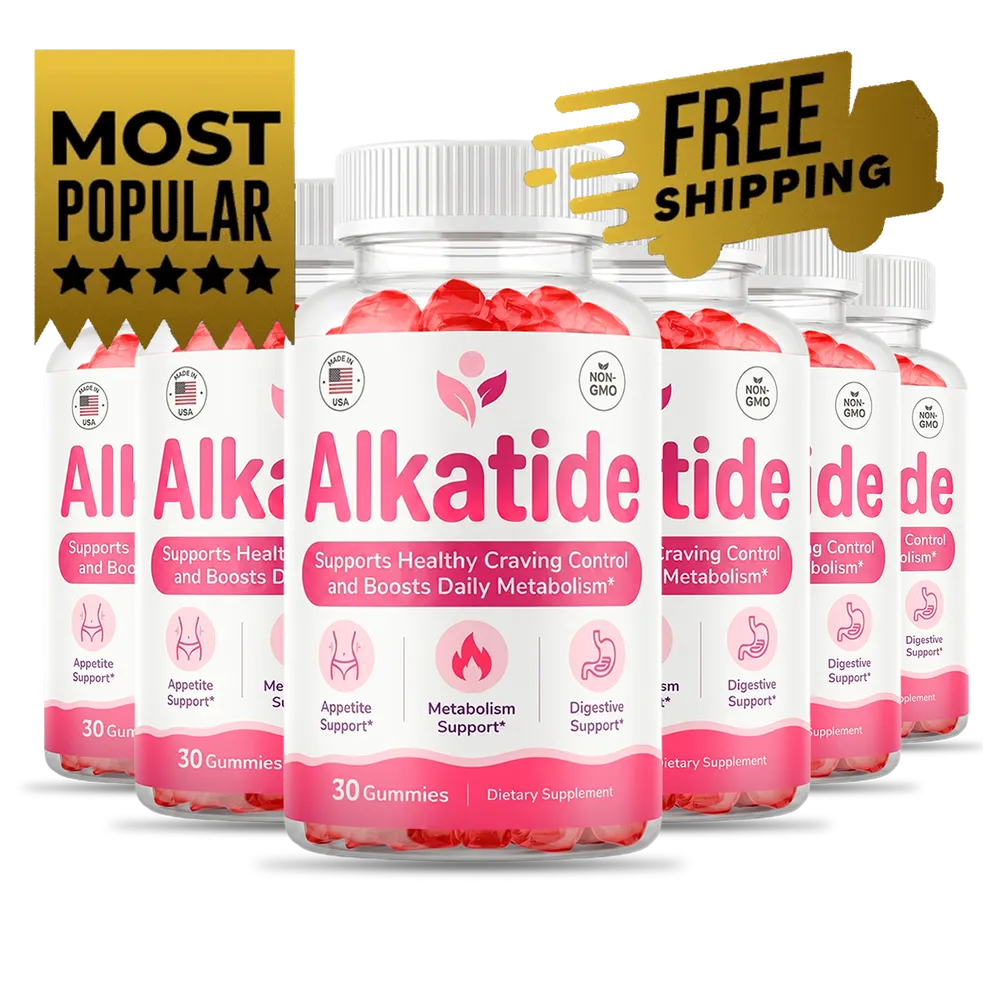
If drinking vinegar before every meal is never going to happen, Alkatide carries the same acetic-acid mechanism in a once-daily gummy, with no caffeine and no crash. See the current bundles and the money-back window on the official store.
See the Official Alkatide StoreSo what is the strongest OTC appetite suppressant?
This is the question everyone types into the search bar, and the honest answer reframes it. “Strongest” almost always points you toward the high-caffeine products — and those are precisely the ones whose effect collapses within weeks as tolerance builds. Measured by the day-one hunger hit, caffeine wins. Measured by what actually reduces your calorie intake over a month or a season, it usually loses to the gentle mechanisms because you cannot sustain it.
So the practical “strongest” suppressant is the one you can take consistently without side effects: a soluble fiber like glucomannan that physically fills the stomach, protein that fires your satiety hormones, and acetic acid that slows gastric emptying — ideally stacked together. Strength in this category is not intensity; it is durability. The best OTC appetite suppressant is the boring one you are still taking in month three.
Where Alkatide fits: acetic acid plus a fiber-friendly base
Given all that, Alkatide’s placement is easy to state honestly. It is a once-daily apple-cider-vinegar gummy built on the acetic-acid mechanism above — slower gastric emptying and a steadier post-meal glucose curve to prolong fullness — and formulas in this niche typically pair that base with soluble fiber for gel-forming fullness and a spore-forming probiotic for a healthier gut environment. It is stimulant-free, so it sidesteps the caffeine tolerance trap entirely.
The point of the blend is not that any single ingredient is dramatic; it is that appetite is governed by several overlapping signals — stomach stretch, blood sugar, gut hormones — and touching more than one of them at once, in a format you will actually take every day, is what makes a suppressant useful in real life. The honest limit is the label: we always tell readers to check the Supplement Facts panel for milligram amounts, because a fiber or probiotic listed without a dose cannot be assumed to hit the studied level. For our full verdict on the product itself, read our complete Alkatide review.
Are appetite suppressant pills safe to take long term?
For the gentle, food-based options, the long-term safety picture is reassuring for healthy adults, and that is a real advantage of this camp. Fiber and apple cider vinegar are things people consume daily as food, and using them as a deliberate appetite tool does not change that — provided you respect two simple cautions. Increase fiber gradually and take it with plenty of water, or the gel that is supposed to fill you can cause bloating and gas instead. And because acetic acid is acidic, protect your tooth enamel: a gummy or capsule format sidesteps the direct enamel contact of sipping vinegar neat.
The stimulant camp is where long-term caution genuinely applies. Sustained high caffeine intake keeps pressure on heart rate, blood pressure and sleep, and chasing a fading effect by raising the dose only compounds that. As always, pregnancy, nursing, diabetes, heart conditions and prescription medications warrant a conversation with a clinician first — not because gentle suppressants are dangerous, but because your individual context determines what is right for you.
The myth to drop: a suppressant does not mean eating nothing
One misconception quietly sabotages people: the belief that an appetite suppressant should make food unappealing so you eat almost nothing. Chasing that usually backfires into a crash diet and a rebound. A well-chosen suppressant does not erase hunger; it right-sizes it, so a sensible, protein-and-fiber-forward portion feels satisfying and you stop at “enough” instead of pushing to “stuffed.” That subtle shift is the difference between a tool you can live with and a punishment you abandon.
How to use OTC appetite suppressants the right way
Timing is where most of the benefit is won or lost. Fiber and acetic-acid tools are strongest when present before and during a meal, so take them shortly before eating, with water, ahead of your largest carbohydrate meals — not at random points in the day. Give any suppressant a fair two-month trial taken consistently, because the trials that showed real appetite and weight effects ran eight to twelve weeks of daily use, and the people who benefit are the ones who make it a routine rather than a rescue remedy for a bad food day.
Finally, stack it on the free tools you already have. A large glass of water and a protein-forward first few bites blunt appetite through the same physics the pill is nudging, so the supplement compounds the effect instead of carrying the whole load. Fix the plate first, then let the suppressant do the modest job it is genuinely good at: shaving the edge off hunger so a reasonable portion actually feels like enough.
Medical note: general information only, not medical advice. A dietary supplement is not a treatment for obesity or any disease. Speak to a qualified healthcare professional before starting any supplement — particularly if you are pregnant or nursing, managing diabetes, taking prescription medication, or living with a diagnosed condition.
Related reading
Frequently asked questions
How do over the counter appetite suppressants work?
Most over the counter appetite suppressants work through digestion rather than stimulation. Soluble fiber absorbs water and swells to add physical fullness; protein raises the satiety hormones GLP-1 and PYY; and acetic acid from apple cider vinegar slows how fast the stomach empties, so a meal keeps you satisfied for longer. The exception is caffeine, which suppresses hunger by revving your nervous system but loses effect as tolerance builds.
What is the strongest OTC appetite suppressant?
Strength is the wrong measure, because the most aggressive OTC suppressants are usually high-caffeine products whose effect fades within weeks as tolerance builds. For sustainable appetite control, the more reliable options are the gentle ones: glucomannan and other soluble fibers that swell in the stomach, protein that triggers satiety hormones, and acetic acid that slows gastric emptying. The strongest suppressant in practice is the one you can take consistently without side effects.
Are appetite suppressant pills safe long term?
Gentle, food-based suppressants such as fiber and apple cider vinegar are generally considered safe for long-term daily use in healthy adults, which is a major advantage over stimulant products. The usual cautions apply: increase fiber gradually with plenty of water to avoid bloating, and acetic acid is acidic so protect your tooth enamel. Stimulant suppressants carry more long-term concern for heart rate, blood pressure and sleep. If you are pregnant, nursing or on medication, ask a clinician first.
Can apple cider vinegar suppress appetite naturally?
Yes, modestly. The acetic acid in apple cider vinegar slows the rate at which your stomach empties, so food lingers and the fullness signals last longer, and it softens the post-meal blood-sugar crash that triggers the early return of hunger. In controlled trials, vinegar taken before a meal increased reported fullness versus placebo. The effect is real but gentle, and works best taken before your largest carbohydrate meals.
Scientific references
Make appetite control a daily habit
The best over the counter appetite suppressant is the one you keep taking. If a stimulant-free, acetic-acid gummy fits your routine, check the current bundles, shipping and refund window on the official Alkatide store.
Go to the Official Store