How to Reduce Bloating Fast: 7 Proven Tips
How Do You Reduce Bloating Fast?
To reduce bloating fast, sip still water, walk for 10 to 15 minutes after eating, and drop the day's obvious triggers — fizzy drinks, gum, excess salt and huge portions. Gentle movement helps trapped gas move. For bloating that keeps returning, the durable fix is gut balance built over weeks, not a one-off trick.
- Fastest levers: water, a post-meal walk, and cutting carbonation and salt for the day.
- Root cause: bloating usually traces back to gut dysbiosis, slow digestion or low bile flow.
- Durable fix: rebalance gas-producing bacteria and support fibre and bile over weeks.

If you want to know how to reduce bloating fast, the honest answer is that a few simple levers can ease an acute episode within an hour or two, while the reason you keep bloating is almost always deeper and takes a little longer to fix. Bloating is that tight, swollen, over-full feeling across the abdomen — usually a mix of trapped gas, slowed digestion and a little fluid retention rather than genuine weight. Because it is mostly gas and timing, it responds surprisingly well to the right small actions, which is good news when you need relief before an event, a meeting or simply a comfortable evening.
This guide gives you seven proven tips, ordered roughly from the fastest to the most durable. It also explains where bloating actually comes from, because "how to reduce bloating" and "how to stop bloating coming back" are two different questions, and the best answer to the first is often a temporary version of the answer to the second.
Why you bloat: it usually starts in the gut
Three overlapping causes explain most everyday bloating. The first is gut dysbiosis — an imbalance in the community of bacteria living in your colon. When gas-producing species dominate, ordinary meals ferment into more hydrogen, carbon dioxide and sometimes methane than a balanced gut would make, and that gas has to go somewhere. The second is slow digestion: when the stomach empties sluggishly or the gut is moving lazily, food lingers, ferments longer and produces more distension. The third is low bile flow. Bile emulsifies the fat in a meal so it can be broken down, and when it is sluggish, a fatty meal sits heavier for longer.
Layered on top of those are the everyday accelerants: eating quickly and swallowing air, very large portions, a sudden jump in fibre your bacteria have not adapted to, high-salt processed food that pulls water into the tissues, carbonation, sugar alcohols in "diet" products, stress, and for many people hormonal shifts across the month. Notice how many of these are food-and-timing problems rather than fat problems. That is the key insight behind fast relief: you are moving gas and easing fermentation, not losing weight.
How to reduce bloating fast: 7 proven tips
Here are the seven that actually earn their place, with the reasoning attached so you can judge which apply to you.
1. Hydrate with still water and cut the fizz
It feels backwards to drink water when you feel full of water, but mild dehydration and high sodium make the body hold onto fluid, and plain still water helps flush excess sodium and keeps digestion moving. Just as important is what you stop drinking: carbonated water, soda and beer literally add gas to your gut. Swapping a fizzy drink for still water is one of the fastest single changes you can make, and warm water or a peppermint or ginger tea can be gently soothing on top.
2. Walk it off after meals
A 10 to 15 minute walk after eating is one of the most reliable, best-evidenced ways to move trapped gas and speed up a stomach that is emptying slowly. You do not need a workout — gentle, rhythmic movement is enough to encourage the gut to contract and shift gas through the system. Light stretching or a few yoga poses that gently compress and release the abdomen can do the same job if a walk is not possible.
3. Ease into soluble fibre — do not crash-load it
Soluble fibre is genuinely good for a calmer gut over time because it feeds a healthier bacterial balance and supports regularity, which prevents the backed-up fermentation that causes bloating. But the classic mistake is going from little fibre to a mountain of beans and raw vegetables overnight, which guarantees gas while your microbiome scrambles to adapt. Increase soluble fibre gradually, drink water alongside it, and give your bacteria a couple of weeks to catch up. Sources like oats, psyllium, apples and citrus are gentler starting points than a sudden pile of cruciferous veg.
4. Rebalance the gas-producing bacteria
If bloating is a near-daily companion, the community in your colon is the thing to work on, not just the symptom. Certain probiotic strains may, over several weeks, help tilt the balance away from the gas-producers and toward a calmer fermentation profile. The catch is that a live organism has to survive stomach acid to reach the colon where the action is — which is why spore-forming strains get so much research attention. We cover the survival question in detail in our guide to spore-forming Bacillus probiotics and how they reach the gut intact. Probiotics are the slowest tip here, but for chronic bloating they are often the one that matters most.
Want the gut-balance side in a once-daily format?
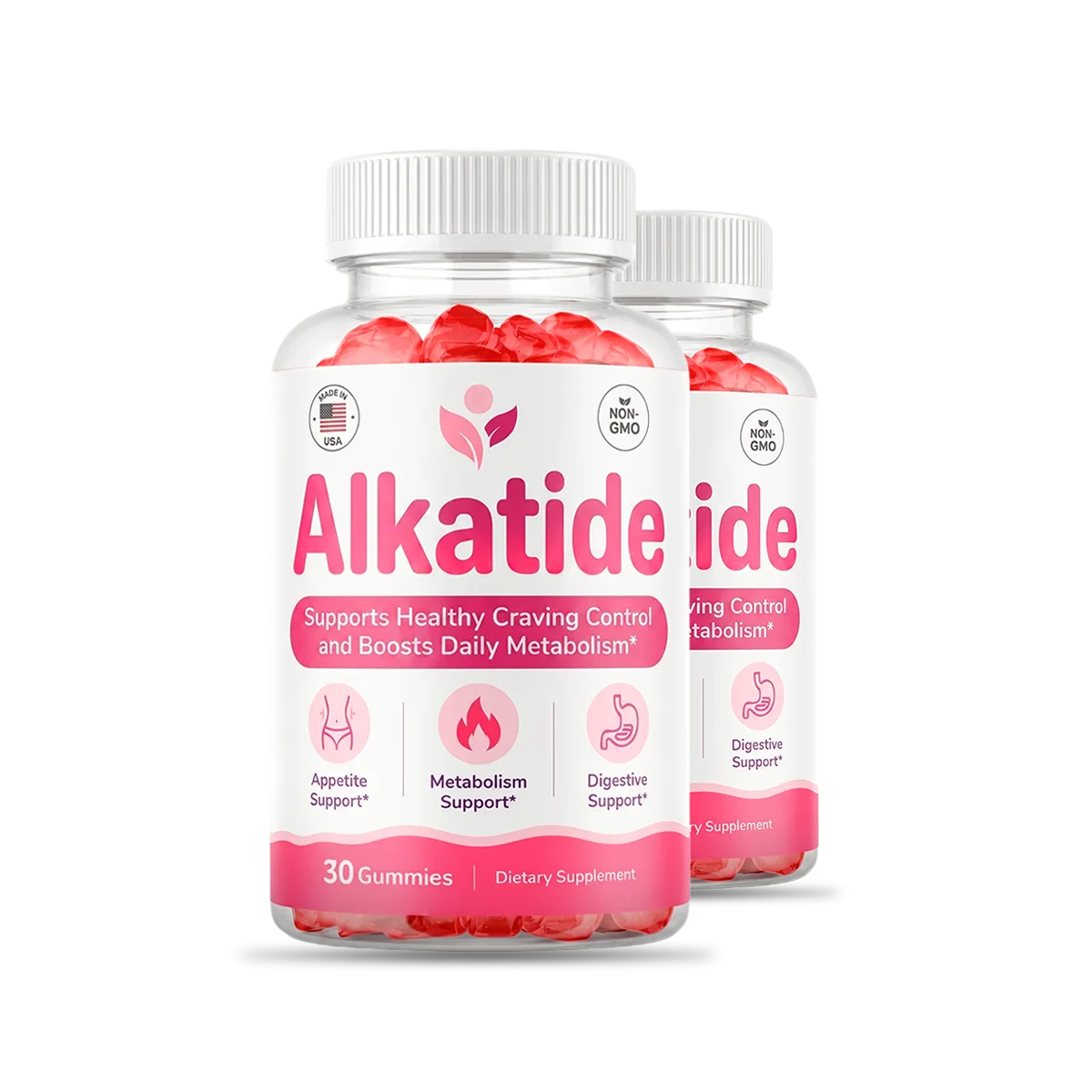
AlkaTide is an apple-cider-vinegar gummy built around acetic acid and pectin — a fermentable fibre — taken with meals for everyday digestive comfort. It is not a bloating cure, but if you are already shopping the vinegar-gummy shelf, the official store lists current bundles, shipping and the refund window.
See the Official AlkaTide Store5. Support bile flow and fat digestion
If your bloating is worst after rich, fatty meals, sluggish bile may be part of the picture. Bitter, choleretic herbs are traditionally used to prompt the liver to secrete more bile so fat is emulsified and handled more comfortably. Artichoke leaf is the best-studied of these for post-meal fullness, though the evidence is modest and it is not for everyone — we lay out the mechanism and the limits in our piece on artichoke leaf extract and how it supports bile flow. Simply making fatty meals a little smaller and slower often achieves much of the same effect without any supplement at all.
6. Slow down, and shrink the obvious trigger foods
Eating fast is a bloating machine: you swallow air, you under-chew, and you overshoot fullness before your gut can signal stop. Slowing down and chewing properly is free and immediate. Alongside that, trim the day's known offenders when you need to feel light — ultra-processed, high-salt foods that hold water; sugar alcohols (sorbitol, xylitol, erythritol) in sugar-free gum and "diet" snacks, which are famously gassy; and, if you are sensitive, large portions of beans, onions and cruciferous vegetables. You are not banning these forever; you are choosing a lighter day when comfort matters.
7. Try a little acetic acid before meals
A small amount of apple cider vinegar before a meal is a long-standing folk tactic for easing post-meal heaviness, and there is modest evidence that acetic acid can slow gastric emptying slightly and support a flatter post-meal glucose curve. The honest caveats matter: liquid vinegar is harsh, it must be well diluted, and undiluted it can irritate the throat and worsen reflux — which can feel worse, not better. A standardised capsule or gummy sidesteps the acidity of the liquid, which is one reason those formats exist. It is a gentle nudge, not a debloating miracle.

Bloating that is not just bloating
Most bloating is benign and annoying. Occasionally it is a signal worth listening to. Bloating that is persistent day after day, painful rather than merely uncomfortable, or accompanied by unexplained weight loss, blood in the stool, vomiting, a marked change in bowel habits, fever or difficulty swallowing is a reason to see a clinician rather than reach for another remedy. The same goes for bloating that arrives suddenly and severely. Conditions from coeliac disease and irritable bowel syndrome to bile acid problems and, rarely, more serious disease can present as vague abdominal swelling, and none of them is a shopping decision.
Medical note: general information only, not medical advice. See a healthcare professional for bloating that is persistent, painful, or comes with weight loss, bleeding, vomiting or a change in bowel habits. Check with a pharmacist before adding a supplement if you take medication, have a digestive condition, or are pregnant or nursing.
Where AlkaTide fits — and where it does not
Because this site covers AlkaTide, we will be plain about it. AlkaTide is an apple-cider-vinegar gummy with three named ingredients: apple cider vinegar, citric acid and pectin. It contains no probiotic culture and no artichoke, so it is not the tool for tips four and five above — those belong to a different kind of product. What it does bring to the bloating conversation are two of the levers we mentioned: the acetic acid from apple cider vinegar (tip seven), and pectin, a soluble fibre from apple and citrus peel that acts as a prebiotic your gut bacteria can ferment (part of tip three).
The honest limit, which we repeat because it matters, is dose. Fibre trials that show meaningful effects use grams per day, a gummy's gelling system is a fraction of a gram, and the manufacturer publishes no milligram figure for any ingredient. So AlkaTide is a small, once-daily, food-level nudge in the right direction for everyday digestive comfort — not a debloating cure, and not a replacement for the walking, hydration and fibre habits that do the heavy lifting. If you want to understand the appetite-and-metabolism side of the same ingredients, our explainer on gut bacteria, short-chain fatty acids and your own GLP-1 connects the dots, and if craving control is really your goal, see our roundup of what makes a natural appetite suppressant that actually works.
Frequently asked questions
How do I get rid of bloating quickly?
Start with the fastest levers: sip still water, take a 10 to 15 minute walk after eating, and cut the obvious triggers for that day, such as fizzy drinks, chewing gum, very salty food and large portions of hard-to-digest foods. Gentle movement and warmth help trapped gas move through. For recurring bloating, the durable fix is gut balance over weeks, not a single trick, but these steps often ease an acute episode within an hour or two.
Can probiotics reduce bloating?
For some people, yes, gradually. Bloating is often driven by gas-producing bacteria and an unbalanced gut, and certain probiotic strains may help rebalance that community over a few weeks, which can mean less fermentation gas. It is not instant and it is strain-specific, so a product that helps one person may do nothing for another. Spore-forming strains are studied partly because they survive stomach acid to reach the colon where the fermentation actually happens.
Does apple cider vinegar help with bloating?
It might ease post-meal heaviness for some people, though the evidence is modest. A small amount of diluted apple cider vinegar before a meal, or a standardised capsule or gummy, is sometimes used to support the feeling of comfortable digestion. It is not a proven bloating cure, it does not suit everyone, and taken undiluted the liquid can irritate the throat and worsen reflux, which can feel worse, not better.
Why am I bloated even when eating healthy?
Healthy diets are often high in fibre, beans, cruciferous vegetables and sugar alcohols, all of which your gut bacteria ferment into gas, so a virtuous diet can bloat you while your microbiome adjusts. Eating quickly, low bile flow, mild dysbiosis, stress and hormonal shifts all add to it. If bloating is persistent, painful, or comes with weight loss or changes in bowel habits, that is a reason to see a clinician rather than to guess.
Related reading
Scientific references
Build the everyday-comfort habit
The fast tips handle a bad day; a steady routine handles the pattern. If a once-daily apple-cider-vinegar gummy fits that routine for you, the current bundle options, shipping terms and refund window are published on the official store page.
Go to the Official Store