Gut Health Herbal Supplements: Artichoke Leaf Extract and Bile Flow
Quick Answer: What Does Artichoke Leaf Extract Do?
Artichoke leaf extract is a bitter herbal preparation that is described as choleretic: it prompts the liver to secrete more bile. Because bile is what emulsifies dietary fat so enzymes can work on it, the proposal is that more bile flow makes a rich meal sit more comfortably — which is why artichoke turns up so often in gut health herbal supplements sold for fullness and bloating after eating. The mechanism is well described in the literature; the symptom evidence in people is smaller, shorter and less consistent than the mechanism talk implies.
- The plant part matters: supplements use the leaf, not the artichoke heart you eat.
- The actives: caffeoylquinic acids such as cynarin and chlorogenic acid, plus bitter sesquiterpene lactones.
- Typical amounts: 320–640 mg of standardised extract, one to three times daily, taken around meals.

What artichoke leaf extract actually is
The globe artichoke, Cynara cardunculus var. scolymus, is a thistle. The part you eat is an immature flower bud; the part that ends up in a capsule is the large, silvery basal leaf, which is far more bitter and carries a different chemical profile. That distinction is the first thing to get straight, because it means eating artichoke hearts and taking artichoke leaf extract are two genuinely different activities. The vegetable is a good source of fibre. The leaf is a bitter drug plant with a long pharmacy history.
Three families of compounds do most of the work in the leaf. Caffeoylquinic acids, including chlorogenic acid and the dicaffeoylquinic acid traditionally called cynarin, are the ones extracts are usually standardised to. Flavonoids such as luteolin glycosides make up a second group. Third, and most relevant to the taste, are sesquiterpene lactones like cynaropicrin — the compounds responsible for the aggressive bitterness of the raw leaf and, in the traditional account, for much of its effect on digestion.
Extraction method changes the result. A water-based extract, an ethanol extract and a dry standardised powder are not interchangeable even at identical milligram figures, because they concentrate these three families in different proportions. This is the recurring problem with the whole herbal category, and it is why milligrams alone tell you so little.
Bile, and what "choleretic" is supposed to mean
Bile is made continuously by the liver, concentrated and stored in the gallbladder, and released into the duodenum when a meal containing fat arrives. Its job is mechanical before it is chemical: bile salts are detergents that break large fat droplets into an emulsion with far more surface area, so pancreatic lipase has somewhere to work. Bile also carries fat-soluble vitamins into absorption, and it is the route the body uses to excrete cholesterol and the breakdown products of old red blood cells. Most bile salts are then reabsorbed in the lower small intestine and recycled — the enterohepatic circulation, which runs several times a day.
Two old herbal terms describe interventions here. A choleretic increases the volume of bile the liver secretes. A cholagogue promotes the gallbladder emptying what it has stored. Artichoke leaf is classically described as both, and there is genuine human work behind the claim, including older studies that measured bile output directly through drainage and imaging work looking at gallbladder emptying after a dose.
Where the reasoning gets loose is the jump from "measurably more bile" to "you will feel better after dinner". Post-meal fullness, upper abdominal discomfort and bloating have many causes: how fast the stomach empties, how the gut wall senses distension, gas produced by fermentation, and a large psychological component that placebo arms in digestive trials pick up reliably. More bile is one plausible lever among several, not the master switch.
Comparing formats before you buy?
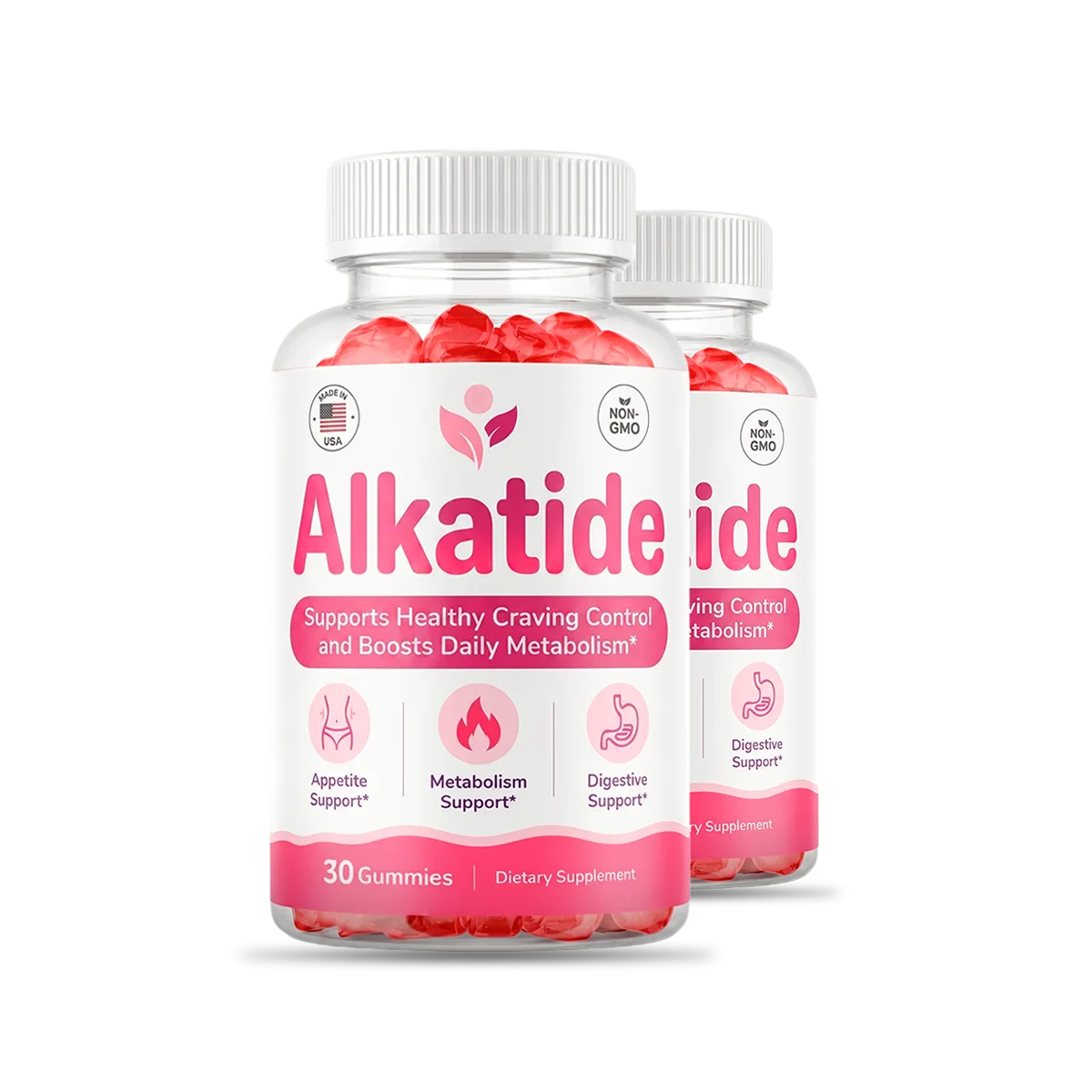
Bitter herbs, fibres and vinegar gummies are three different bets on the same complaint. AlkaTide sits in the third group — and if you have been searching where to buy apple cider vinegar gummies, the official store is the page that carries the current bundles, shipping and refund terms.
Check the Official AlkaTide StoreWhat the evidence shows
Artichoke leaf has been tested in people, which already puts it ahead of most botanicals in this aisle. The strongest area is functional dyspepsia — the label for persistent upper-abdominal discomfort, early fullness and bloating with no structural cause found on investigation. Randomised, placebo-controlled trials in that population have reported improvements in symptom scores over several weeks, and European herbal medicines regulators list artichoke leaf preparations under traditional and long-standing use for dyspeptic complaints.
Now the caveats, and they are substantial. The trials are small, typically a few weeks long, and several were conducted or funded by extract manufacturers. Symptom scores are subjective endpoints with large placebo responses. Different studies used different extracts at different standardisations, which makes pooling them awkward and means a positive result for one preparation is not automatically a result for the bottle in your hand. Researchers have also looked at artichoke leaf and blood lipids; effects reported there are generally small, findings are mixed, and nothing in that literature makes an artichoke supplement a treatment for anything.
"Traditional use" is a statement about history, not a statement about efficacy. It means people have taken this for a long time and it has not obviously harmed them — which is worth something, and is not the same as proof that it works.
There is a newer and genuinely interesting idea that bitter compounds act on taste receptors expressed in the gut wall, influencing hormone release and appetite. It is early work, mostly mechanistic, and it has not yet produced clear symptom outcomes in people. If it holds up, it would raise an awkward question for the whole format: a bitter herb swallowed in a tasteless capsule bypasses the receptors in the mouth entirely. Nobody has resolved that.
How gut health herbal supplements get dosed, and where artichoke sits
Most gut health herbal supplements fall into one of three groups, and they are dosed on completely different scales. Bitters and cholagogues — artichoke, gentian, dandelion root, milk thistle — are dosed in hundreds of milligrams of concentrated extract. Carminatives and antispasmodics such as peppermint oil are dosed in tens of milligrams, usually enteric-coated so they reach the intestine rather than relaxing the oesophageal sphincter on the way down. Fibres and mucilages — psyllium, partially hydrolysed guar gum, pectin — are dosed in grams, and they are the only group where a few grams either side genuinely changes what happens.
Artichoke sits firmly in the first group. Products and trials commonly land between 320 and 640 mg of standardised leaf extract per serving, taken one to three times daily, usually shortly before or with food so the bile response arrives when the fat does. What you should compare between two bottles is not the milligram number on the front but the standardisation statement on the back: an extract standardised to a stated percentage of caffeoylquinic acids or cynarin is a measured thing, and "artichoke leaf powder 500 mg" is not.
| Form | Typical amount | What is standardised | Strength of evidence |
|---|---|---|---|
| Standardised leaf extract, capsule or tablet | 320–640 mg, 1–3× daily | Usually caffeoylquinic acids or cynarin, stated as a percentage | The form used in most human trials; small studies, several industry-funded |
| Unstandardised leaf powder | Often 500–1,000 mg | Nothing stated | Not comparable to the trial preparations; potency unknown |
| Leaf tea or tincture (bitters) | 1–2 g dried leaf, or drops before meals | Nothing, but the bitterness is tasted | Traditional use only; no meaningful modern trial base |
| Artichoke hearts, the vegetable | A normal serving | Not applicable | A good fibre source; not a source of leaf actives |
| Soluble fibre for comparison (psyllium, pectin) | 3–10 g daily | Grams of fibre | The most consistent evidence in this table, for stool regularity |
Shopping lists for the best gut health daily supplement rarely present the comparison this way, but it is the one that matters. Gram-dose fibre has the steadier evidence base; milligram-dose bitters have the more interesting mechanism. They are not rivals, and plenty of people who search for the best gut health supplement for bloating end up better served by the boring one.

What artichoke leaf extract cannot do
It cannot treat, cure or prevent any disease, and that is not a legal formality bolted onto the end of an article — it is the accurate description of the evidence. Persistent digestive symptoms deserve a diagnosis. Coeliac disease, gallstones, Helicobacter pylori infection, inflammatory bowel disease, bile acid malabsorption and pancreatic insufficiency all show up as vague post-meal discomfort, and every one of them is a clinical matter rather than a shopping decision. Symptoms that come with weight loss, bleeding, vomiting, jaundice, fever or pain that wakes you at night need a doctor, promptly.
It cannot "detox" or "cleanse" the liver. The liver's detoxification pathways are enzymatic and continuous, they are not congested, and no herb unblocks them. Stimulating bile secretion is a real effect on a real fluid; it is not a cleanse, and the marketing language that borrows the plumbing metaphor is doing so for atmosphere rather than accuracy.
It is not risk-free. A herb that increases bile flow is precisely the wrong thing to take if bile has nowhere to go: anyone with gallstones or a suspected bile duct obstruction should get medical advice first, because pushing flow against a blockage can provoke severe pain. Artichoke is in the daisy family, so people allergic to ragweed, chrysanthemum, marigold or related plants can react to it. Safety data in pregnancy and breastfeeding is insufficient. And bitter herbs can worsen reflux in some people, which is the opposite of the intended result.
Finally, it does not cause weight loss. There is no credible human evidence that a bile-stimulating herb changes body weight, and a product sold on that promise is making a claim its ingredient cannot carry.
Medical note: general information only, not medical advice. Do not use bile-stimulating herbs if you have gallstones, a bile duct obstruction or active liver disease without speaking to a clinician, and check with a pharmacist if you take prescription medication — changes in bile flow can affect how some drugs are absorbed.
Where an apple cider vinegar gummy sits next to a bitter herb
We should be clear about the product this site covers. AlkaTide contains no artichoke leaf extract. It names three ingredients — apple cider vinegar, citric acid and pectin — and publishes no amount for any of them, which we say on the main page rather than working around it.
The comparison is still worth drawing, because the two approaches aim at the same complaint from different directions. Artichoke works, if it works, on the digestion of fat via bile. Vinegar's studied effect is on the carbohydrate side: acetic acid taken with a starchy meal has been linked in small trials to a flatter post-meal glucose curve and modestly lower reported appetite, and it also slows gastric emptying. Pectin is the fibre lever, though at gummy scale the amount is a fraction of what fibre trials use. Neither approach is a substitute for the other, and neither is a substitute for the meal itself being smaller.
If you want the same scepticism applied to the rest of the label, we have taken apart the "alkaline" branding and what citric acid is really doing in a gummy, and looked at how spore-forming probiotic strains survive the same manufacturing. The through-line in all three pieces is the same: read the amount, not the adjective.
Frequently asked questions
What does artichoke leaf extract do to bile?
Artichoke leaf is described as choleretic, meaning it prompts the liver to secrete more bile. Bile emulsifies dietary fat so that pancreatic enzymes can break it down, which is the proposed reason a bitter leaf extract might make a heavy meal feel less uncomfortable. The mechanism is well described, and the symptom evidence in people is smaller and less consistent than the mechanism talk suggests.
Is artichoke leaf extract the same as eating an artichoke?
No. The vegetable you eat is the flower bud, while supplements are made from the leaves, which carry far more of the bitter caffeoylquinic acids and sesquiterpene lactones. Eating artichoke hearts is a good source of fibre but it is not a way to take a standardised leaf extract.
How much artichoke leaf extract is used in studies?
Trial and label amounts commonly sit between 320 and 640 mg of standardised leaf extract taken one to three times a day, usually just before or with meals. Extracts are standardised in different ways, so two products at the same milligram figure are not necessarily comparable unless the standardisation matches.
Who should avoid artichoke leaf supplements?
Anyone with gallstones or a known bile duct obstruction should not take a bile-stimulating herb without medical advice, because increasing bile flow against a blockage can provoke pain. People allergic to plants in the daisy family, such as ragweed, chrysanthemum or marigold, may react to artichoke, and there is not enough safety data for pregnancy or breastfeeding.
Scientific references
Read the label first, then the offer
That is the order we apply to everything we cover. If AlkaTide is on your shortlist, the current bundle options, shipping terms and refund window are published on the official store page.
Go to the Official Store